CCTV uses analog cabling; IP cameras use networks and offer smarter features.
If you are weighing cctv camera vs ip camera for your home or business, this guide cuts through the noise. I’ve designed and deployed both for shops, offices, and warehouses. I’ll share clear comparisons, pitfalls I learned the hard way, and simple steps to choose the right system without overspending.
What is a CCTV camera?
CCTV cameras send video over coaxial cable to a DVR. The signal is analog or HD analog, like HD-TVI, HD-CVI, or AHD. You can often reuse old coax runs, which saves money in upgrades.
Most CCTV kits are simple. Each camera has a power lead and a coax feed. The DVR records locally and shows live video on a monitor with very low delay.
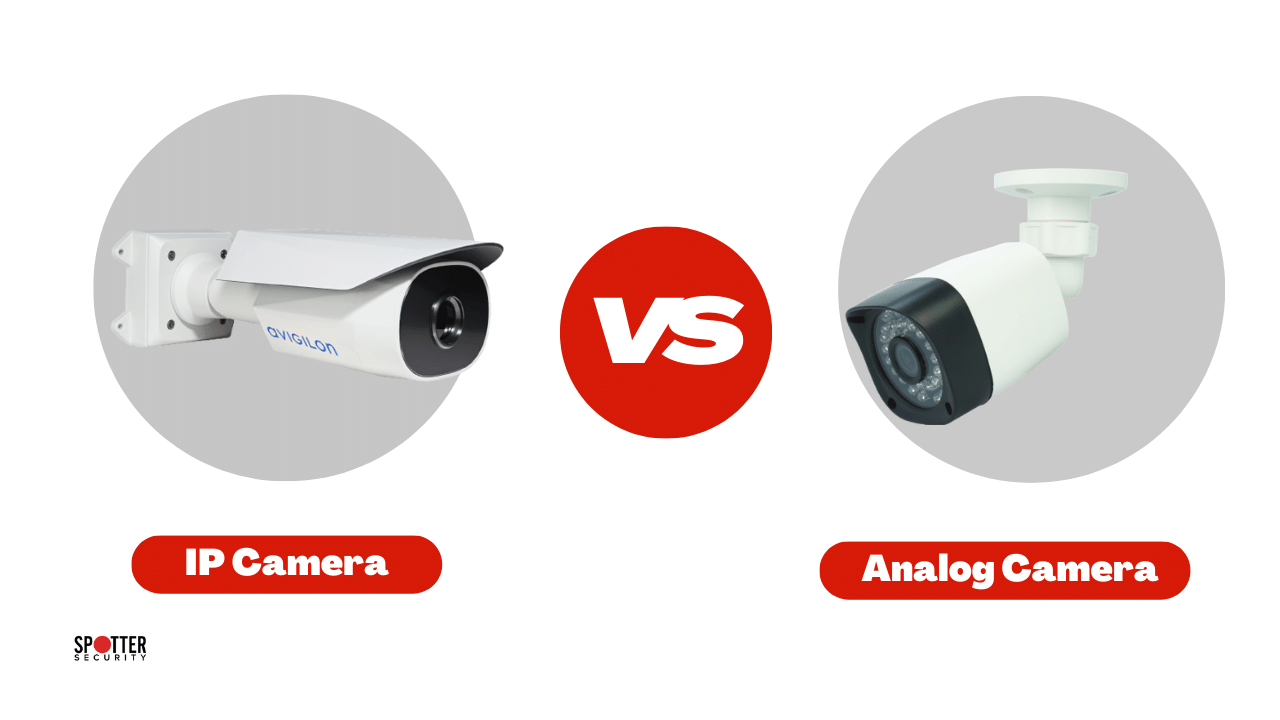
What is an IP camera?
An IP camera is a network device. It sends digital video over Ethernet to a switch and an NVR or server. Many support PoE, so one cable carries both power and data.
IP camera features are rich. Expect wide dynamic range, smart alerts, people and vehicle detection, and easy remote access. With modern codecs like H.264 and H.265, you get high quality with less bandwidth.
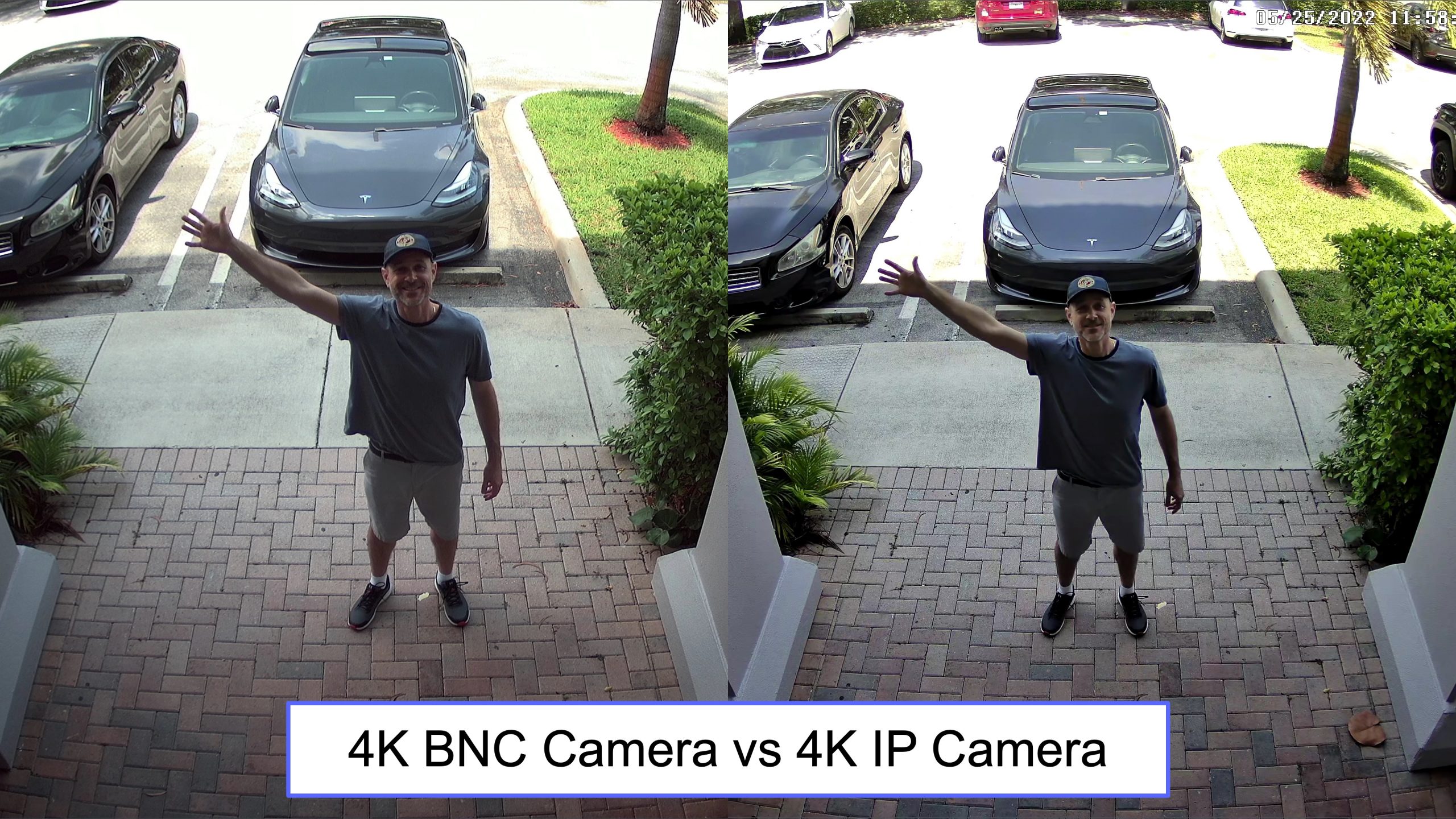
cctv camera vs ip camera: Key differences at a glance
Here is the plain truth about cctv camera vs ip camera, based on field work.
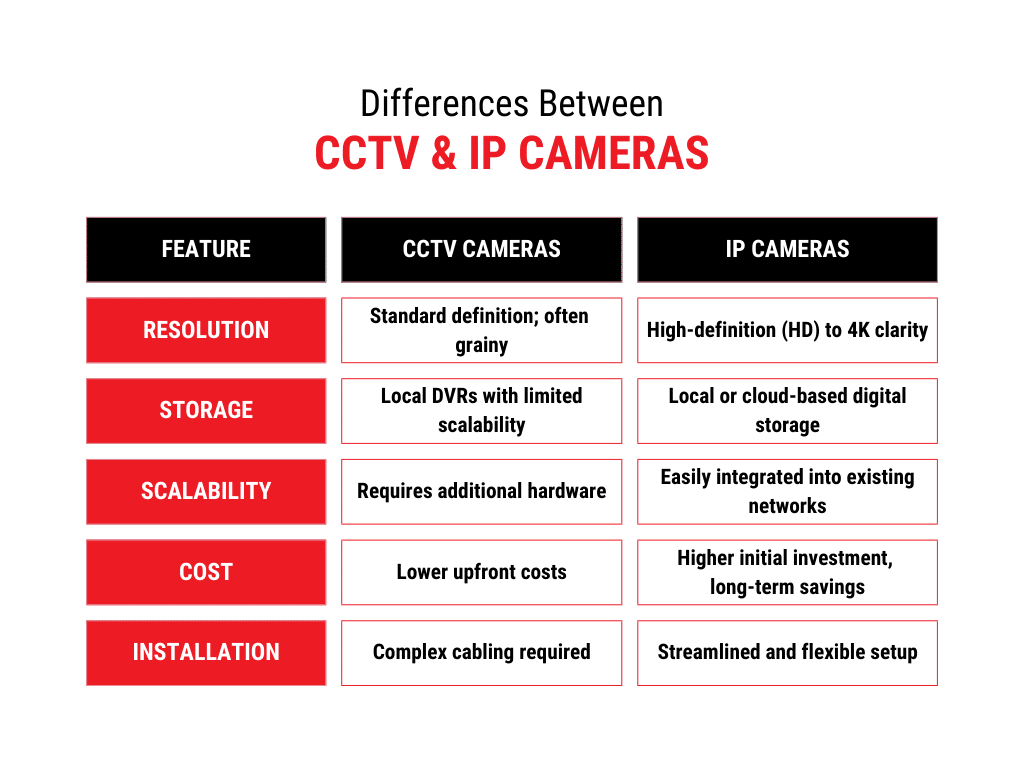
- Cabling: CCTV uses coax and separate power. IP uses Ethernet, often PoE on one cable.
- Image quality: CCTV is fine up to 1080p or 5MP on newer HD analog. IP scales to 4K and beyond with better low light options.
- Smarts: CCTV DVRs offer basic motion. IP cameras add analytics, alerts, and better detection.
- Scalability: CCTV is set by DVR channels. IP grows by adding ports or switches.
- Latency and reliability: CCTV has near zero delay and no network issues. IP depends on network health and adds slight delay.
- Cybersecurity: CCTV is closed and local. IP needs updates, strong passwords, and network hardening.
- Cost: CCTV cameras are cheaper, and reuse coax. IP costs more per camera but can lower install time with PoE.
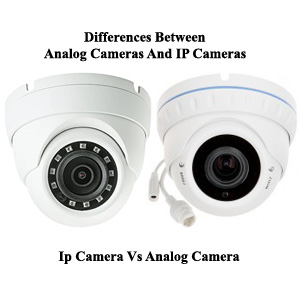
Image quality and clarity
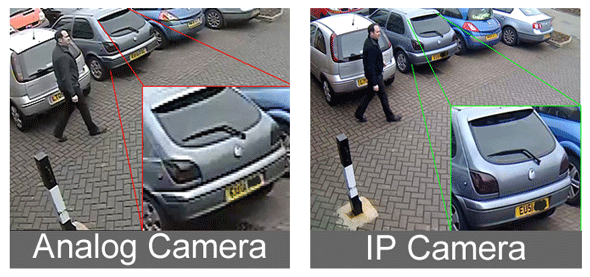
In my tests, cctv camera vs ip camera shows a clear gap in detail. HD analog CCTV looks clean at 1080p in good light. It holds up well for viewing and simple review.
IP shines in tough scenes. At 4MP, 8MP, or 4K, faces and plates are clearer. Sensors with better dynamic range handle glare at doors and windows. For low light, IP models with larger sensors and true WDR are worth it.

Storage, recording, and remote access
CCTV stores footage on a DVR. It is fast and local. Remote viewing is set up with port forwarding or P2P codes. It is simple, but features are basic.
IP systems record to an NVR or a server. You can mix on-prem storage, NAS, and cloud backups. Bandwidth per 1080p stream can be around 2 to 4 Mbps with H.265. A 4K stream may use 4 to 8 Mbps at modest frame rates. Plan storage with a buffer for busy scenes.
Power and cabling
In cctv camera vs ip camera planning, cabling often decides the winner.
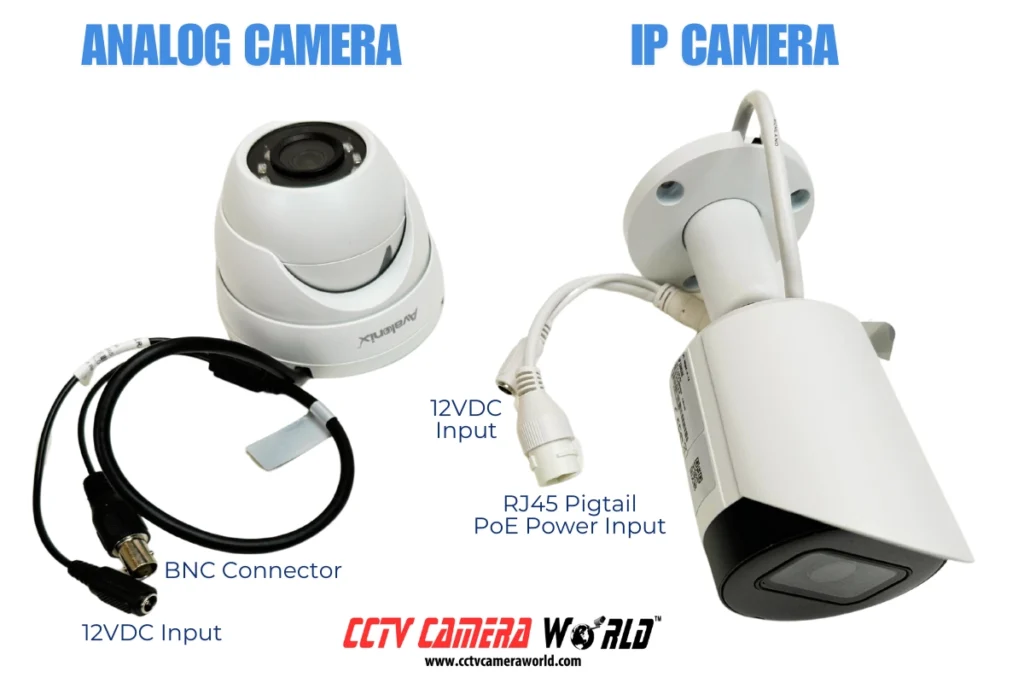
- CCTV: Coax runs can go long distances. You power with local adapters or a central supply. For retrofits, reusing coax saves time and money.
- IP: Ethernet runs are up to 100 meters per segment. PoE simplifies power. For longer runs, use PoE extenders, fiber uplinks, or midspans. PoE standards like 802.3af and 802.3at support many models.

Network and cybersecurity
CCTV is simple and local. It is less exposed, but remote features can still be risky if set poorly.
IP needs care. I secure IP cameras with VLANs, unique strong passwords, and HTTPS. I disable unused services and change default ports. I update firmware as a routine. When clients do not maintain updates, risks grow. cctv camera vs ip camera is also a security choice, not just a video choice.
Cost breakdown: upfront and long term
Here is how I frame cctv camera vs ip camera budgets.
- Hardware: CCTV cameras and DVRs cost less per channel. IP cameras with better sensors and analytics cost more.
- Cabling: Reusing coax favors CCTV. New builds favor IP because one cable handles power and data.
- Labor: PoE shortens install time. Complex cable pulls or long runs can swing cost either way.
- Operating: IP can scale with software and storage. CCTV upgrades often need a new DVR at each channel step.
For small shops with existing coax, CCTV wins on cost. For new offices or growth plans, IP wins over time.
Scalability and flexibility
CCTV scales in blocks. A 16-channel DVR limits you to 16 cameras. Adding more means another DVR.
IP scales linearly. Add a PoE switch and more licenses or NVR channels. Mix brands with ONVIF support. You can place cameras where coax cannot reach by using fiber or wireless bridges. cctv camera vs ip camera is a draw only if you never plan to grow.
Use cases: When to choose each
From real jobs, here is where each choice fits well.
- Choose CCTV if you have good coax runs, need basic coverage, and want low cost today.
- Choose IP if you want 4K detail, smart alerts, easy remote access, and room to grow.
- Choose a hybrid if you own coax but want a few smart IP cameras at key doors or gates.
Real-world lessons and mistakes to avoid
I once upgraded a grocery store by reusing coax for CCTV. It kept costs low, but aisle glare made IDs hard. We later added two IP cameras at doors for clear faces in backlight.
A startup office went all-in on IP. They skipped network planning. Cameras dropped at peak times. We fixed it with a dedicated VLAN, QoS, and PoE budget checks. cctv camera vs ip camera is also about planning the network and the light in your space.
Tips that save headaches:
- Map lighting at key spots like doors, lots, and docks.
- Check PoE budgets on switches. Do not assume all ports are full power.
- Lock down remote access. Use strong passwords and disable UPnP.
- Test storage needs with real motion, not a guess.
- Label every cable and port to speed support.
How to choose the right system: a simple checklist
Use this quick path to decide on cctv camera vs ip camera.
- Start with goals. Do you need clear faces, plates, or just coverage?
- Review your cables. Reuse coax if it is good and budget is tight.
- Plan light. Pick sensors and lenses for low light and glare.
- Count storage. Estimate days to keep, frame rates, and motion.
- Check network. Reserve bandwidth, create a VLAN, and size PoE.
- Think growth. If you will add cameras soon, lean IP.
- Set a support plan. Schedule firmware updates and health checks.
Future trends to watch
IP cameras keep adding edge AI. Expect better object detection, alerts that matter, and lower false alarms. Codecs keep improving, so the same quality needs less bandwidth.
CCTV will remain for simple jobs and low budgets. Hybrid DVRs that accept both coax and IP will bridge old and new gear. For many sites, cctv camera vs ip camera will turn into a mix that fits each area.
Frequently Asked Questions of cctv camera vs ip camera
Is CCTV more reliable than IP?
CCTV often feels more reliable because it is not tied to a network. IP is reliable too if you plan PoE power, VLANs, and firmware updates.
Do IP cameras need internet to work?
No. IP cameras can record to an NVR on a local network. Internet is only needed for remote access or cloud features.
Can I mix CCTV and IP cameras?
Yes. Many hybrid DVRs and NVRs support both types. This helps you upgrade in stages without ripping old cables.
Which is better for low light?
High-end IP cameras with larger sensors and true WDR do better at night. Budget CCTV can struggle with noise and blur in dark areas.
How much bandwidth does an IP camera use?
A 1080p stream with H.265 can be around 2 to 4 Mbps. A 4K stream can be 4 to 8 Mbps at modest frame rates and balanced quality.
Is PoE safe for cameras outdoors?
Yes, if you use rated cable, weatherproof jacks, and surge protection. Use PoE switches that meet 802.3af or 802.3at standards.
Conclusion
Choosing between cctv camera vs ip camera comes down to goals, cables, light, and plans to grow. CCTV is cost-effective and simple. IP offers better detail, smart features, and scale when you need it.
Pick one small area to pilot first. Test day and night, watch storage use, and review alerts. Ready to move forward? Compare your site with the checklist above, then reach out for a tailored plan or leave a comment with your questions.