Security is very important for homes, businesses, and public places. People want to keep their places safe. Two tools often used for this are surveillance drones and security cameras. Both help watch places. But which one is better? Or when should you use one or the other? Let’s find out.
What Is a Surveillance Drone?
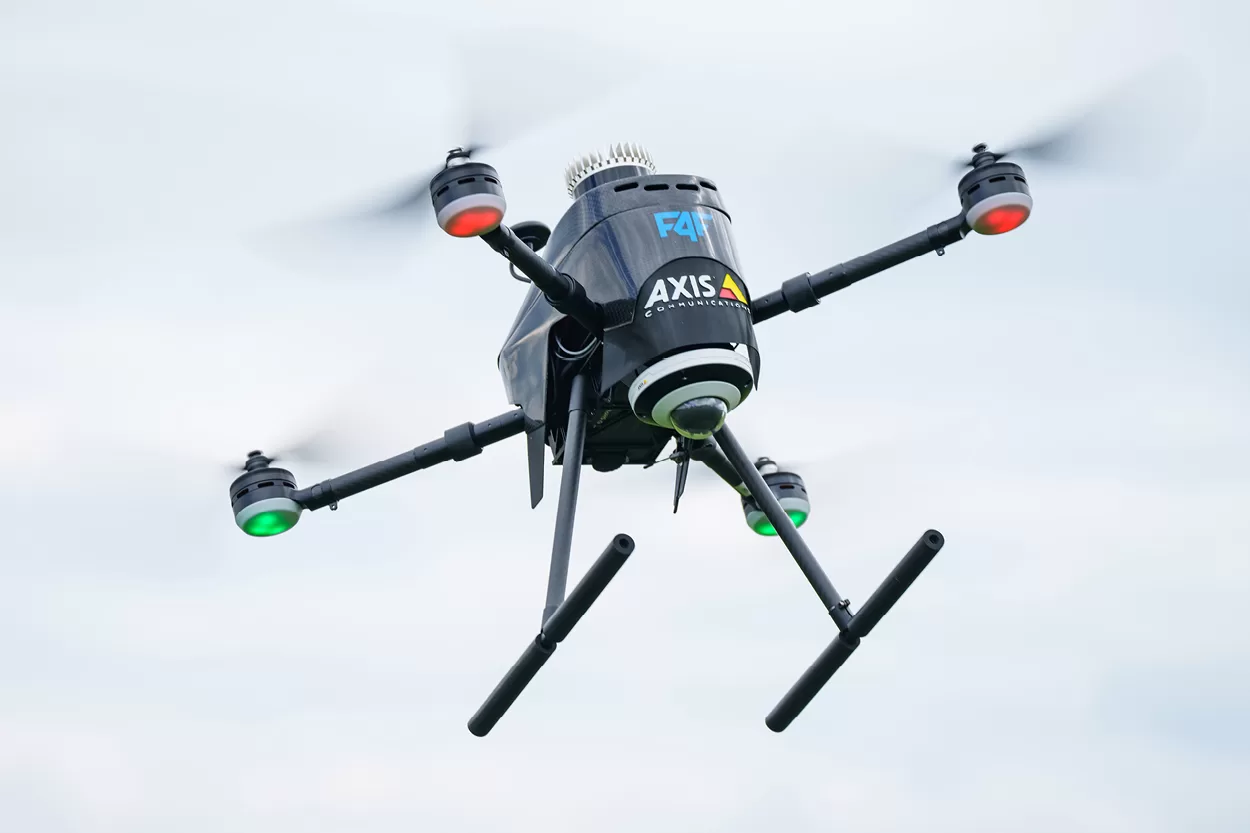
A surveillance drone is a small flying device with a camera. It can fly over an area and record videos or take pictures. It moves in the air and can see many places quickly. People use drones to watch large areas like farms, factories, or events.
What Is a Security Camera?
A security camera is a fixed device that stays in one place. It records videos or takes pictures of a certain area. Cameras are usually on walls, ceilings, or poles. They watch places like homes, stores, or streets. They keep an eye on things all the time.

Credit: insights.made-in-china.com
Main Differences Between Surveillance Drones and Security Cameras
| Feature | Surveillance Drone | Security Camera |
|---|---|---|
| Movement | Can fly and move anywhere | Fixed in one place |
| Area Covered | Large and flexible | Small and fixed |
| Installation | Needs charging and controls | Needs mounting and wiring |
| Cost | Usually higher | Usually lower |
| Operation Time | Limited by battery life | Works 24/7 |
| Real-time Monitoring | Yes, from anywhere | Yes, from fixed points |
| Weather Dependence | Can be affected by weather | Usually weatherproof |
Advantages of Surveillance Drones
- Wide View: Drones can fly high and see large areas.
- Flexible Movement: They can go anywhere, even hard spots.
- Quick Response: Can check places fast after an alert.
- Better Angles: Can record from many angles and heights.
- Remote Access: You can watch drone cameras from far away.
Disadvantages of Surveillance Drones
- Battery Life: Drones fly only for a short time.
- Cost: They are more expensive to buy and use.
- Weather Sensitive: Bad weather can stop drones from flying.
- Noise: Drones can be noisy and disturb people.
- Privacy Issues: People may feel uncomfortable with flying drones.
Advantages of Security Cameras
- Always On: Cameras can work day and night.
- Low Cost: Usually cheaper than drones.
- Easy to Use: Just install and connect to power.
- Weatherproof: Many cameras work well in rain or snow.
- Silent: Cameras do not make noise.
- Good for Small Areas: Perfect for doors, rooms, and small yards.
Disadvantages of Security Cameras
- Fixed View: Cameras see only one area.
- Blind Spots: Some areas may not be covered.
- Vandalism Risk: Cameras can be broken or blocked.
- Installation Needed: Requires mounting and wiring.
- Limited Flexibility: Cannot move to follow things.
Which One Should You Choose?
It depends on your needs. Both have good uses. Here are some points to think about:
Use Surveillance Drones If:
- You need to watch large areas like farms or parks.
- You want to check many places quickly.
- You need to see from different heights and angles.
- You want to use the latest technology for special cases.
Use Security Cameras If:
- You want constant watch over a small area.
- You have a limited budget.
- You need simple and steady security.
- You want a quiet and weatherproof system.
Can You Use Both Together?
Yes! Using drones and cameras together can be smart. Cameras watch fixed spots all the time. Drones can fly and check other places when needed.
This way, you get full coverage. Cameras cover entrances and close areas. Drones cover big or hard-to-reach places.
How Do They Work?
Surveillance Drones: A person or computer controls the drone. It flies over an area and sends live video. The operator can move it anywhere.
Security Cameras: Cameras record videos all the time. Some send video live to a phone or computer. Others save videos to watch later.
What About Privacy?
Privacy is important. Drones can fly into private areas. This may bother neighbors or people nearby. Some places have rules about drone use.
Security cameras also raise privacy concerns. They watch fixed areas, sometimes public or private. It is important to place cameras carefully.
Always follow local laws and rules. Respect people’s privacy when using drones or cameras.
Credit: fly4future.com
Costs to Consider
Both drones and cameras cost money. Here are some costs to think about:
| Cost Type | Surveillance Drone | Security Camera |
|---|---|---|
| Initial Purchase | High (hundreds to thousands of dollars) | Low to Medium (tens to hundreds of dollars) |
| Maintenance | Medium (battery, repairs) | Low (cleaning, occasional fixes) |
| Operation | Requires operator or software | Mostly automatic |
| Installation | Low (just charge and fly) | Medium (mounting, wiring) |
Final Thoughts
Both surveillance drones and security cameras help keep places safe. They work in different ways. Drones are great for moving and wide views. Cameras are good for fixed, steady watching.
Think about your space, budget, and needs. Sometimes, using both is the best choice. Security is about watching well and feeling safe.
Choose the tool that fits your situation. Stay safe and protect what matters most.
Frequently Asked Questions
What Is The Main Difference Between Surveillance Drones And Security Cameras?
Surveillance drones can move and cover large areas. Security cameras stay fixed and monitor one spot continuously.
How Do Drones Improve Security Compared To Cameras?
Drones can fly and see places cameras cannot reach. They provide a wider view and quick response.
Can Security Cameras Work Without Drones?
Yes, security cameras function independently. They record and stream footage constantly in their set location.
Are Drones More Expensive Than Security Cameras?
Drones usually cost more due to technology and mobility. Cameras are cheaper but limited in coverage.