IP cameras offer better image, smart features, and scale. Analog is cheaper and simple.
If you are comparing analog CCTV vs IP camera, you likely want clear, honest advice. I have designed, installed, and fixed both systems in homes, shops, and large sites. In this guide, I break down what matters in plain words. You will learn how each works, what it costs, and what I would choose for real jobs. Keep reading to make the best choice for your space.

What Are Analog CCTV and IP Cameras?
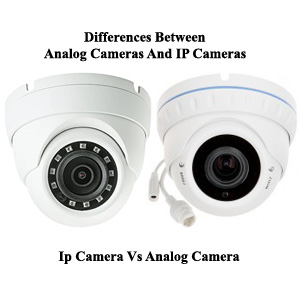
Analog CCTV sends video as an analog signal over coax cable. A DVR records the feeds. The tech is simple, cheap, and works well for basic needs.
IP cameras are network devices that send digital video over Ethernet. An NVR or server records the feeds. These cameras can offer 4K detail, smart alerts, and easy remote access.
Analog CCTV in plain terms
- Uses coax cable like RG59 or RG6.
- Feeds go to a DVR which encodes the video.
- Easy to set up. Very stable once wired.
- Best for basic watch and record needs.
IP cameras in plain terms
- Uses Ethernet and PoE for power and data.
- Feeds go to an NVR or a VMS on a server.
- Offers high resolution, wide lens options, and AI features.
- Best for scale, detail, and smart alerts.
If you search for analog cctv vs ip camera, keep this base in mind. The first is simple and cost friendly. The second is rich in features and grows with your needs.

Analog CCTV vs IP Camera: Key Differences
Here is how the two compare at a glance. When I advise clients, these are the items we check first.
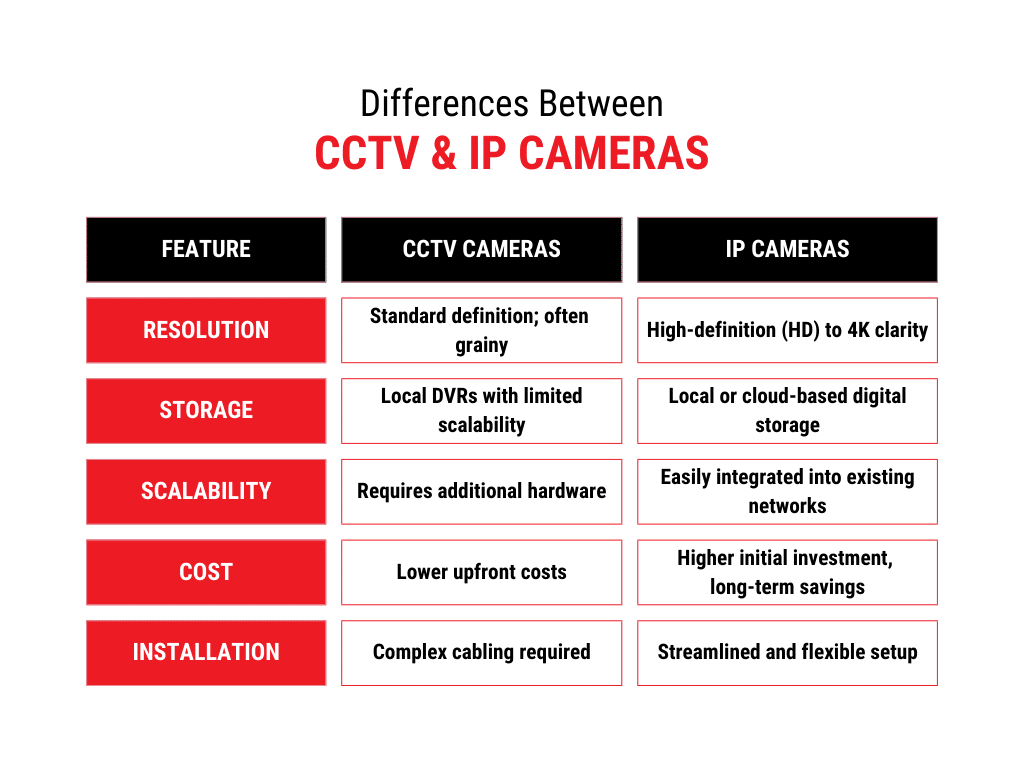
- Image quality. IP cameras can go from 1080p to 4K and beyond. Analog tops out lower, though newer HD-over-coax can reach 1080p to 4K in some lines.
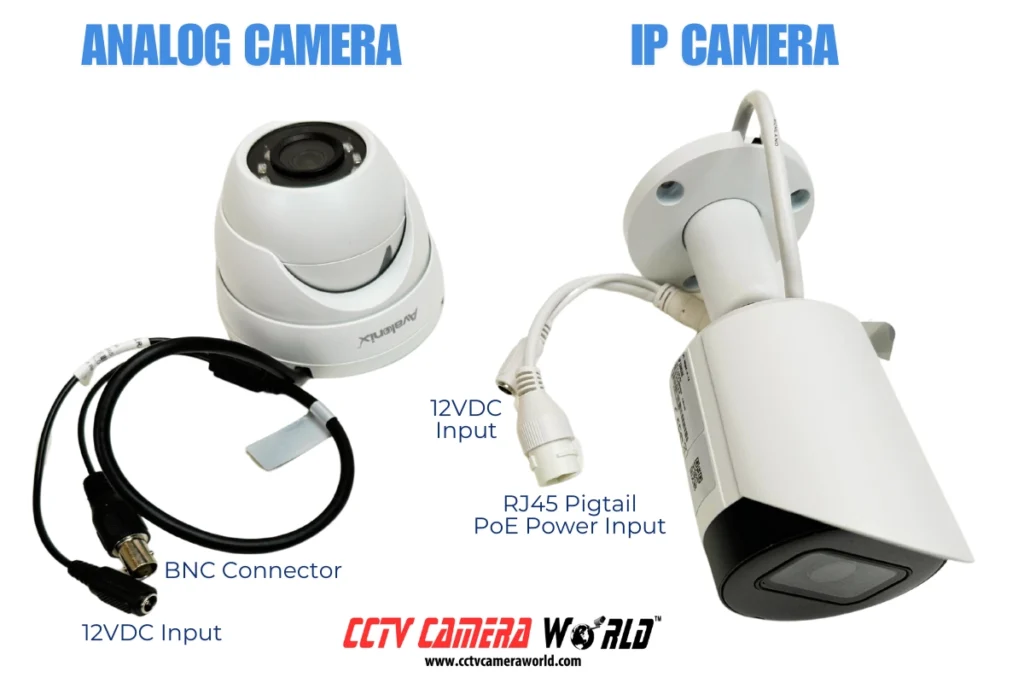
- Cabling. Analog uses coax plus power wire. IP uses one Ethernet cable with PoE.
- Distance. Coax can run long with little work. Ethernet is 100 meters per run unless you add a switch or extender.
- Features. IP wins on AI, smart alerts, and cloud or app use.
- Cost. Analog gear costs less per channel. IP can cost more up front, but less to expand.
- Setup and care. Analog is plug and play. IP needs basic network setup, but it is easy once you learn.
- Security. Analog has low cyber risk. IP needs passwords, updates, and VLANs.
This is the heart of analog cctv vs ip camera. Think about what you need now and in two years. That is how you choose the right path.

Pros and Cons for Each Option
Analog CCTV pros
- Lower up front cost for small sites.
- Simple kit and fast installs.
- Works well where you only need basic video.
- Long cable runs are easy with coax.
Analog CCTV cons
- Lower max detail and dynamic range.
- Fewer smart features or none at all.
- Harder to scale or mix with modern tools.
- Coax paths can be bulky in tight spaces.
IP camera pros
- High detail video, even at night with the right sensor.
- Built-in smart alerts like people, car, or face detect.
- One cable per camera with PoE saves time.
- Easy remote view and modern integrations.
IP camera cons
- Higher cost per camera in many cases.
- Needs network setup and cyber care.
- Runs can need switches or extenders past 100 meters.
These points shape the analog cctv vs ip camera choice for most buyers. Keep the use case in mind as you weigh each list.

Real-World Use Cases and Scenarios
Over the years, I have seen patterns. Here is what tends to work best.
- Small shop with two to four cameras. Analog can be enough. You get eyes on the cash desk and door for low cost.
- Farm or long driveway. Analog coax can run far. Or use IP with fiber or extenders if you need high detail at a gate.
- Home with doorbell, yard, and garage. IP wins for smart alerts and phone apps.
- Office or school with many cameras. IP is best for scale, user roles, and storage plans.
- Mixed upgrade of old coax lines. Use HD-over-coax to boost quality now. Plan for full IP later.
These are common analog cctv vs ip camera paths I see in the field. Think about cable paths, future growth, and how you will use the video day to day.
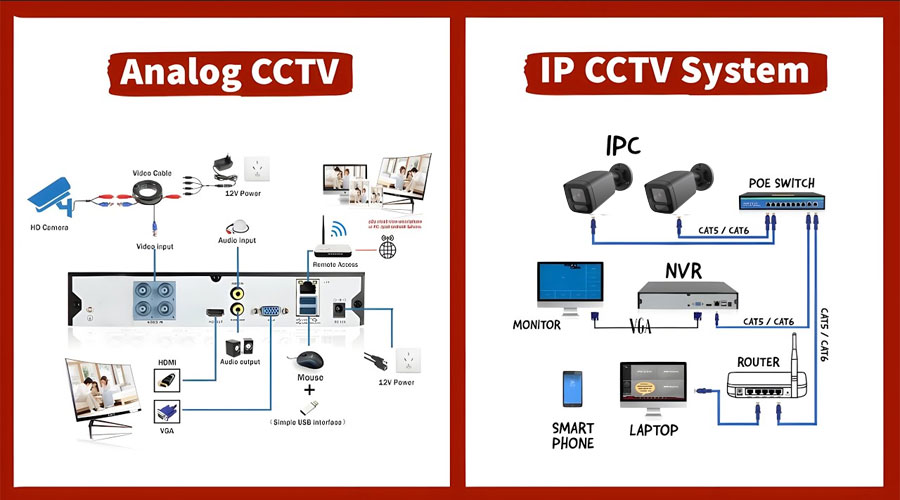
Image Quality, Lenses, and Low-Light Performance
Picture quality drives trust. You need to read a plate, a face, or a badge. IP cameras lead here.
- Resolution. Many IP cameras support 4MP, 8MP, and 4K. More pixels mean more detail in zoom.
- Dynamic range. Look for WDR ratings. IP cam WDR is often better, so bright sun and shade in one view look clean.
- Lenses. Varifocal lenses let you tune the view. This is key to get the right pixels on target.
- Night vision. Larger sensors and lower F-number lenses pull in more light. Color night view models are now common in IP lines.
- Compression. H.265 and smart codecs cut size while keeping detail.
Analog can look fine for wide views. But for proof and ID, IP makes a clear case in the analog cctv vs ip camera debate.
Networking, Cabling, and Power
Your cables and power plan can make or break a job.
- Analog needs coax and a power wire, or a local power source.
- IP needs Cat5e or Cat6. PoE sends power and data in one line.
- Distance for Ethernet is 100 meters. Add PoE switches or fiber to go farther.
- Avoid daisy chain power for many analog cameras. Voltage drop can blur video.
- Label every run. It saves hours later.
In my installs, PoE has saved the most time. One pull per cam keeps work clean. This is why IP often wins in analog cctv vs ip camera projects for new builds.
Storage, Bandwidth, and Compression
Video takes space. Plan it well so you do not lose key clips.
- Frame rate. Higher FPS uses more space. Many sites use 15 FPS for a good balance.
- Resolution. More pixels, more storage. Only use 4K where you need detail.
- Motion vs continuous. Motion cuts the size by a lot in quiet areas.
- H.265 is standard for IP cameras. It saves space with little loss in quality.
- RAID on NVRs or servers protects against drive loss.
Analog DVRs often use fixed bitrates and have fewer options. IP gives you more fine control. In the analog cctv vs ip camera choice, IP lets you tune data use to fit your goals.
Cybersecurity and Privacy
Analog has near zero cyber risk. IP adds network risk, but you can handle it with simple steps.
- Change default passwords right away.
- Update camera and NVR firmware on a set schedule.
- Use strong passwords and two-factor for remote access.
- Put cameras on a separate VLAN if you can.
- Turn off cloud access if you do not need it.
I have seen simple missteps cause big pain. A default login left open can lead to strange reboots or worse. If you choose IP in the analog cctv vs ip camera debate, make a short cyber checklist and stick to it.
Costs and Total Cost of Ownership
Do not judge by camera price alone. Look at the whole job.
Up front costs
- Analog. Cheaper cameras and DVRs. Coax is not costly. Power supplies can add a little cost.
- IP. Cameras may cost more. NVRs and PoE switches add to the bill. Cat6 cable can be a bit more.
Long term costs
- Moves and adds. New IP cameras are easy to add to the network. Analog may need new home runs to the DVR.
- Features. IP saves time with smart alerts. Less time spent scrubbing video means lower labor.
- Storage. H.265 and motion set up right save drive space over time.
- Support. Remote help is easier with IP systems.
A small site may lean analog. A growing site leans IP. This is the TCO lens for analog cctv vs ip camera.
Upgrade Paths: From Analog to IP
You do not have to jump all at once.
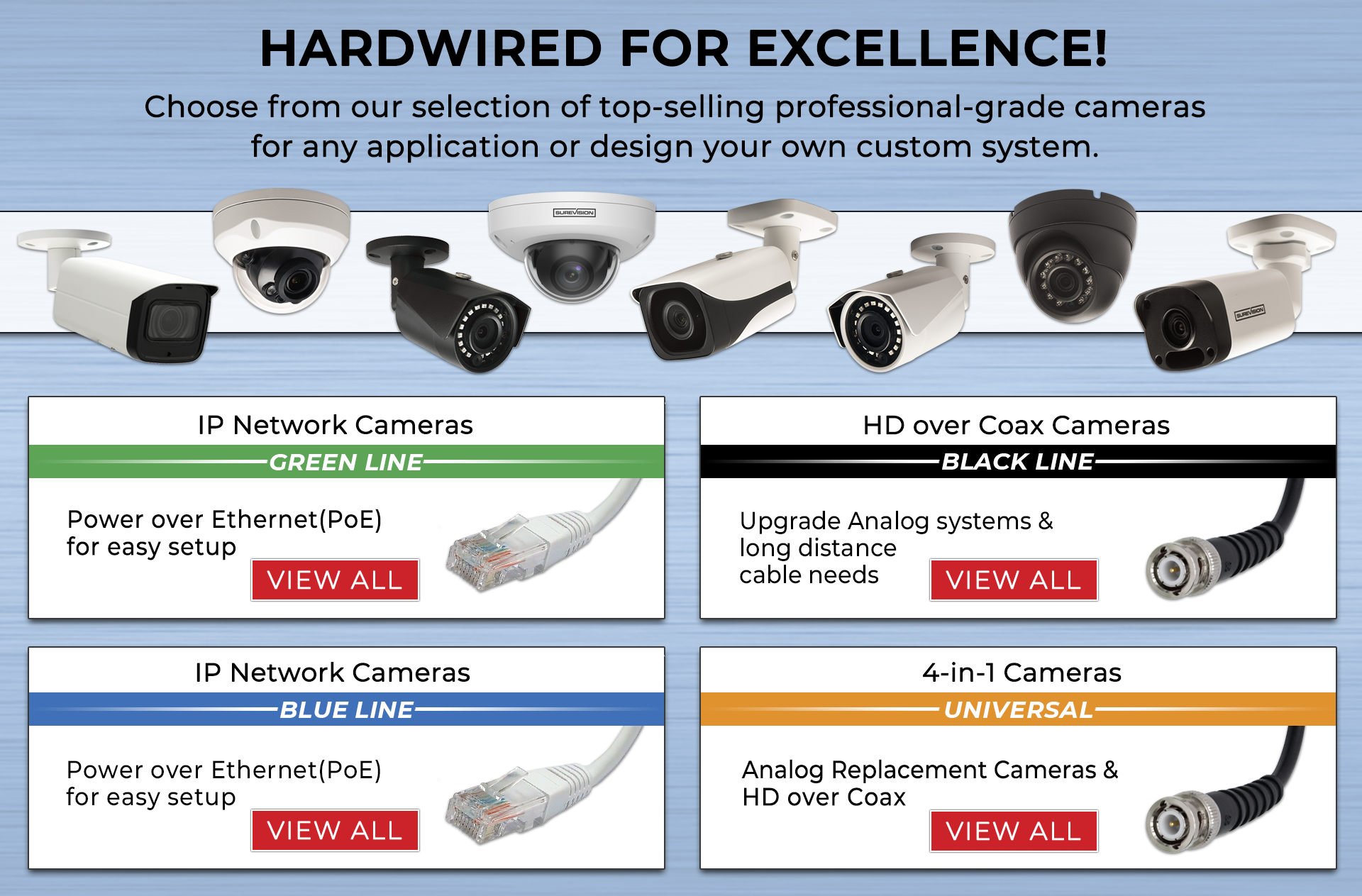
- Use HD-over-coax cameras on your old coax to get 1080p or more today.
- Run Ethernet where you can for new spots.
- Use hybrid DVR/NVR units that accept both analog and IP feeds.
- Plan closets for PoE switches and UPS power.
- When you pull cable, pull one extra line for future use.
I have helped many clients take this path. It spreads cost and risk. It is a great middle way in analog cctv vs ip camera upgrades.
Installation Tips, Mistakes to Avoid, and Best Practices
Here is hard won advice from real jobs.
- Place cameras for purpose. Entry cams at face level get better ID than high roof cams.
- Avoid glass glare. Aim IR away from glass or use external IR.
- Seal outdoor mounts. Water kills gear. Use proper gaskets and drip loops.
- Budget for a UPS. Brief power loss should not break your recordings.
- Test each run before the final mount. Fixes on the ladder are hard and slow.
- Name every camera by location. Future you will thank you.
- Set a retention plan. Keep key cameras longer, trim less vital ones.
These steps help no matter which way you go. They also cut support calls. They raise trust in your system and in you.
Decision Guide: Which One Fits Your Need?
Use this quick guide to pick with confidence.
Choose analog if
- You need the lowest cost now for a small site.
- You have long coax runs in place.
- You only need live view and basic playback.
Choose IP if
- You want clear detail for faces, plates, or proof.
- You plan to grow the system over time.
- You want smart alerts and easy remote use.
- You have simple access to your network and PoE.
If you are still unsure in the analog cctv vs ip camera choice, start hybrid. Use HD-over-coax now and add IP on new runs. This path limits risk and keeps you flexible.
Frequently Asked Questions of analog cctv vs ip camera
Is analog CCTV cheaper than IP?
Yes, for small installs analog usually costs less. The gear is simple, and labor is light.
Can IP cameras work on Wi-Fi?
Yes, but wired PoE is more stable and secure. Use Wi-Fi only when cable is hard to run.
Do I need the internet for IP cameras?
No, a local NVR can record with no internet. You only need internet for remote access or cloud.
Can I upgrade my old coax to better video?
Yes, HD-over-coax can raise quality a lot. It can be a good step before a full IP move.
How much storage do I need?
It depends on days kept, frame rate, and motion. A rule of thumb is to test with one camera, then scale up.
Are IP cameras less reliable than analog?
Not if set up right. Good PoE, clean power, and updates keep IP very stable.
Which is better for night vision?
IP often wins with larger sensors and better WDR. Paired with good IR, it shows more detail at night.
Conclusion
Both systems can work well when matched to the job. Analog shines for low cost and simple needs. IP stands out for detail, growth, and smart tools. Think about what you must see, how you will use it, and how you may grow.
Take the next step today. List your must-haves, your budget, and your cable plan. Use the guide above to choose your path in the analog cctv vs ip camera debate. If you found this helpful, subscribe for more tips or leave a question and I will help you plan your setup.