Outdoor CCTV cameras help keep your home and business safe. But, they face many problems from weather. Rain, snow, and humidity can damage your camera connections. If the connections get wet, the CCTV might stop working. So, it is very important to keep the connections dry and safe. This guide will show you easy ways to waterproof outdoor CCTV connections.
Why Waterproofing CCTV Connections Is Important
Water can cause many problems for CCTV systems. Here are some reasons why you should waterproof your connections:
- Prevent Short Circuits: Water can cause electric shorts. This stops the camera from working.
- Stop Rust and Corrosion: Metal parts can rust. Rust weakens the connection over time.
- Increase Camera Life: Dry connections last longer. You save money by not replacing parts often.
- Keep Video Quality Good: Wet connections can cause poor video or loss of signal.
What Parts to Waterproof on CCTV Systems
Not all parts need the same care. Focus on these key parts:
- Power Connectors: These give electricity to the camera. They must stay dry.
- Video Cables: These carry the video signal. Water can cause signal loss.
- Junction Boxes: Boxes where many wires meet. They must be sealed well.
- Connectors and Plugs: All places where wires connect should be protected.
Materials You Need to Waterproof CCTV Connections
Before starting, gather these materials. They help keep connections safe from water:
| Material | Purpose |
|---|---|
| Silicone Sealant | Seals gaps and stops water entry |
| Self-Amalgamating Tape | Wraps connections tightly and blocks water |
| Heat Shrink Tubing | Protects and seals cable joints when heated |
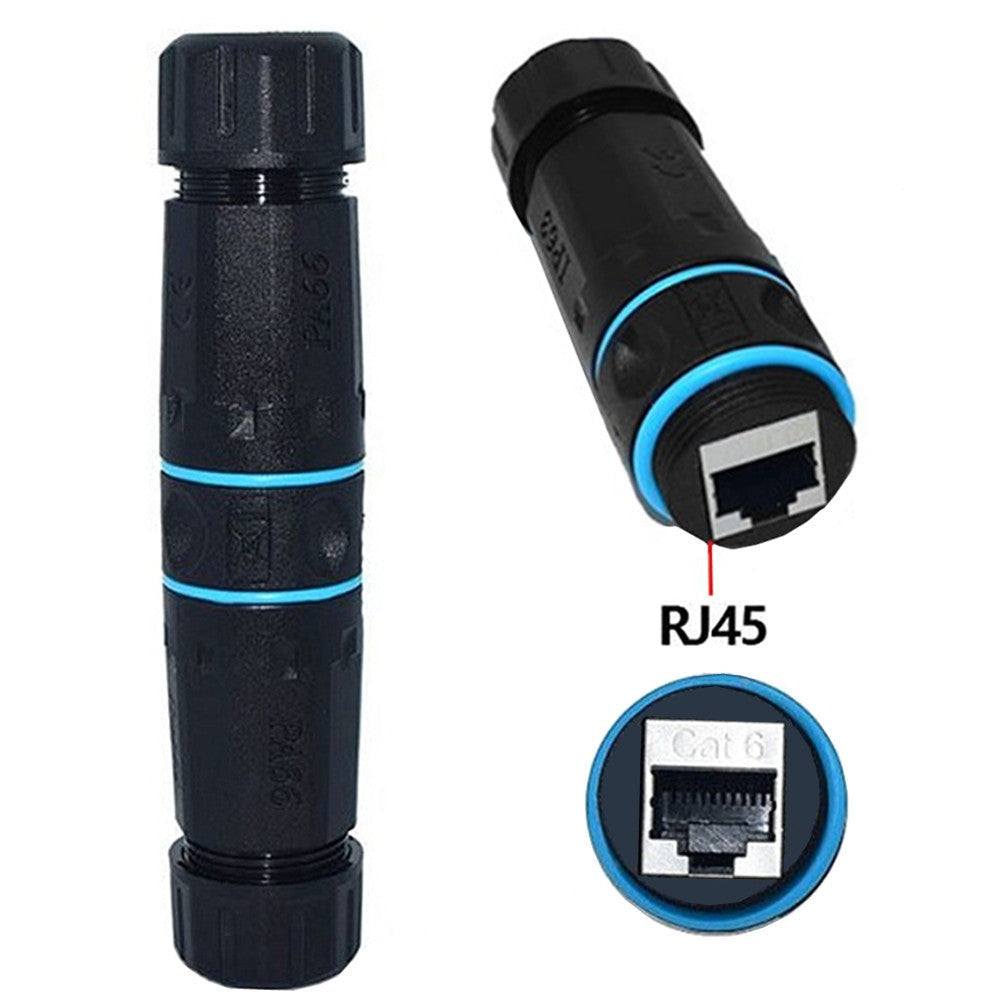
| Waterproof Junction Box | Protects wire connections from rain and dust |
| Electrical Tape | Additional layer of protection around wires |
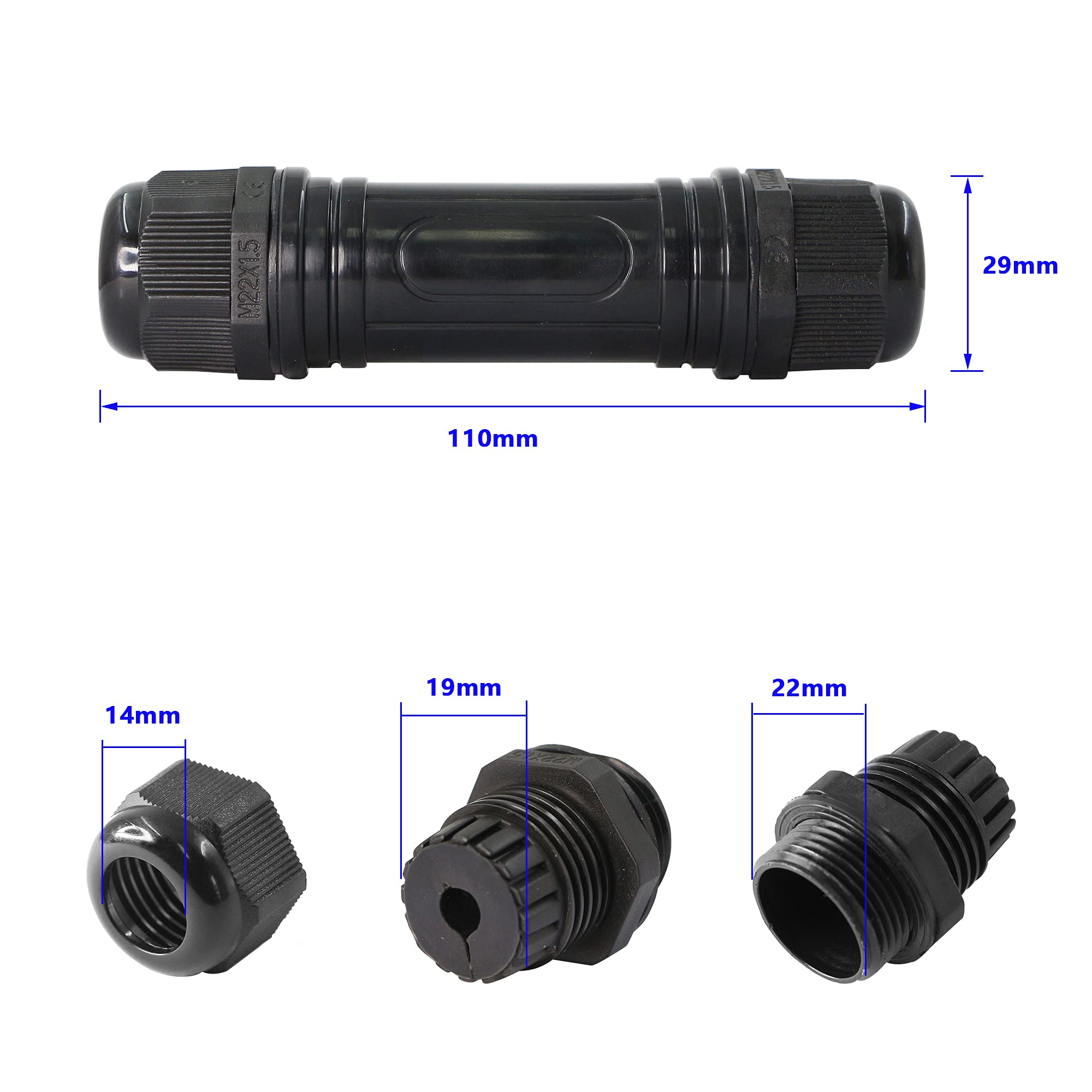
| Plastic Cable Glands | Seal cables entering boxes to prevent water leaks |
Credit: computeronic.ir
Step-by-Step Guide to Waterproof CCTV Connections
Follow these simple steps to keep your CCTV connections dry and safe.
Step 1: Turn Off The Power
Safety first. Always switch off the power before working with wires. This stops electric shock and damage.
Step 2: Inspect The Connections
Look at your CCTV cables and connectors. Check for any damage or loose parts. Fix or replace bad parts first.
Step 3: Use Heat Shrink Tubing On Cable Joints
Cut a piece of heat shrink tubing. Slide it over the cable joint before connecting wires. After joining wires, move tubing to cover the joint. Use a heat gun or hair dryer to shrink the tubing. It will fit tightly and block water.
Step 4: Wrap Connections With Self-amalgamating Tape
This tape sticks to itself and forms a strong seal. Wrap it around the connectors and cables. Make sure the tape overlaps well. This helps block water and dust from entering.
Step 5: Seal With Silicone Sealant
Apply silicone sealant around the connections. This creates a waterproof barrier. Let the sealant dry fully before moving or powering the system.
Step 6: Place Connections Inside Waterproof Junction Boxes
Put all cable connections inside a waterproof box. Use boxes made for outdoor use. Close the box tightly. This protects all wires from rain and dirt.
Step 7: Use Cable Glands On Entry Points
Fit plastic cable glands where cables enter the box. Tighten the glands to seal gaps. This stops water from leaking inside the box.
Step 8: Add Extra Protection With Electrical Tape
Wrap electrical tape over the sealed connections. This adds a second layer of protection. Make sure it covers all exposed wires.
Tips to Keep Your Outdoor CCTV Connections Safe
- Check Regularly: Inspect your CCTV connections every few months.
- Replace Old Materials: Old tape or sealant can break down over time.
- Keep Cables Off the Ground: Raise cables to avoid water puddles.
- Use Good Quality Materials: Cheap materials may not protect well.
- Keep the Area Clean: Dirt and dust can damage seals.
Common Mistakes to Avoid When Waterproofing CCTV Connections
- Skipping Power Off: Always turn off power before working.
- Using Only Electrical Tape: It is not enough alone to stop water.
- Not Sealing Cable Entry Points: Water can enter through gaps.
- Ignoring Small Cracks: Even small gaps let water in.
- Not Letting Sealant Dry: Wet sealant will not work properly.
Credit: estufastromen.com
How Weather Affects CCTV Connections
Outdoor cameras face many weather challenges. Rain is the biggest problem. Water can drip or splash on wires. Snow and ice can freeze connections. Heat can cause plastic parts to crack. Wind can shake cables and loosen connections. Waterproofing protects your system from all these problems.
Benefits of Proper Waterproofing
| Benefit | Explanation |
|---|---|
| Reliable Video | Waterproof connections keep video clear and stable. |
| Longer Equipment Life | Dry cables and connectors last much longer. |
| Lower Repair Costs | Less damage means fewer repairs or replacements. |
| Better Security | Your CCTV works well in all weather conditions. |
Frequently Asked Questions
How Do I Protect Cctv Connections From Water Damage?
Use waterproof connectors, seal with silicone, and cover with weatherproof tape.
What Materials Are Best For Waterproofing Cctv Cables?
Silicone sealant, heat shrink tubing, and waterproof electrical tape work well.
Can I Waterproof Cctv Connections Myself At Home?
Yes, with basic tools and waterproof materials, DIY waterproofing is possible.
How Long Does Waterproofing Cctv Connections Last?
Properly done, waterproofing can protect connections for several years.
Conclusion
Waterproofing your outdoor CCTV connections is simple and important. Use heat shrink tubing, tape, sealant, and waterproof boxes. These materials keep water out. Protect your power and video cables well. Check and maintain connections regularly. Good waterproofing helps your CCTV work longer and better. It keeps your home and business safe in all weather. Take time to protect your CCTV connections now. It will save you money and trouble later.