If you want to sell a product online, you must use the right words. These words help people find your product when they search on Google or other search engines. These special words are called keywords. But not all keywords are the same. Some are easy to use because few people use them. These are called low competition keywords. When you use product-specific low competition keywords, you get better chances to be found by buyers.
What Are Keywords?
Keywords are simple words or short phrases. They tell search engines what your page is about. For example, if you sell red shoes, your keywords might be “red shoes” or “buy red shoes.”
When people type these words in Google, the search engine shows pages that use these keywords. If you use the right keywords, your product can appear on the first page of search results. This means more people can see your product.
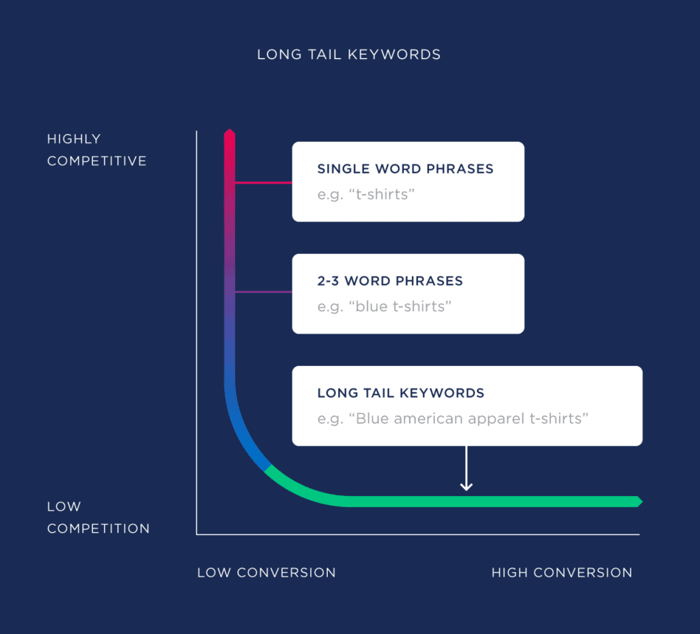
Credit: www.datafeedwatch.com
Why Use Product-Specific Keywords?
Product-specific keywords are words that match exactly what you sell. If your product is a blue backpack, then “blue backpack” is a product-specific keyword. Using these words helps people find your exact product.
For example, if someone wants a blue backpack, they will type “blue backpack” instead of just “backpack.” If your website uses “blue backpack,” it will show up more easily for that search.
What Does Low Competition Mean?
Competition means how many other websites use the same keywords. High competition means many websites use the same words. Low competition means fewer websites use those words.
Low competition keywords are easier to rank for. This means your website can appear at the top of search results faster. If many websites use the same keyword, it is harder to appear first.
Why Choose Low Competition Keywords?
- Easier to rank: Less competition means better chances.
- Less effort: You don’t need to spend a lot on ads.
- More targeted: These keywords are more specific to your product.
- Better sales: When people find the exact product, they buy faster.
Credit: www.mrrunlocked.com
How to Find Product-Specific Low Competition Keywords
Finding the right keywords takes time. Here are some simple steps you can follow.
1. Think Like A Buyer
Put yourself in the buyer’s shoes. What words would you use to search for your product? Write down these words.
For example, if you sell handmade candles, buyers might search for “soy candles,” “scented candles,” or “handmade candles gift.”
2. Use Free Keyword Tools
You can use free tools online to find keywords. These tools show how many people search for a word and how hard it is to rank for that word.
Some popular tools are:
- Google Keyword Planner
- Ubersuggest
- Answer The Public
These tools help you find product-specific keywords with low competition.
3. Check Your Competitors
Look at websites that sell the same product. See what keywords they use. If they use easy words, you can use them too.
4. Use Long-tail Keywords
Long-tail keywords are longer phrases. They are very specific and have low competition.
For example, instead of “backpack,” use “waterproof blue backpack for school.” This phrase is easier to rank for and more targeted.
Examples of Product-Specific Low Competition Keywords
| Product | Low Competition Keyword | Reason |
|---|---|---|
| Yoga Mat | eco-friendly yoga mat non-slip | Specific features make it low competition |
| Wireless Headphones | budget wireless headphones for running | Long-tail phrase targeting runners on a budget |
| Dog Collar | reflective dog collar small dogs | Very specific for small dogs and safety feature |
| Organic Tea | organic green tea caffeine-free | Targets health-conscious buyers looking for caffeine-free |
| Phone Case | shockproof phone case for iPhone 12 mini | Very specific to phone model and feature |
How to Use These Keywords on Your Website
Once you find keywords, use them carefully. Don’t just put them everywhere. Use them in places that make sense.
- Title: Include the keyword in your page title.
- Product Description: Write about the product using the keyword naturally.
- Headings: Use keywords in headings to help readers and search engines.
- Image Names: Name your pictures with keywords.
- URL: Use keywords in the website link.
Be sure the text sounds natural. Don’t repeat the keyword too much. It should read well for people.
Benefits of Using Product-Specific Low Competition Keywords
Using these keywords helps your business in many ways.
- More Visitors: More people find your product online.
- Better Sales: Visitors are more interested and ready to buy.
- Lower Costs: You pay less for ads because competition is low.
- Build Trust: Your website looks more professional and useful.
Common Mistakes to Avoid
When using keywords, some mistakes can reduce your success. Avoid these:
- Using Too General Words: Words like “shoes” are hard to rank for.
- Keyword Stuffing: Don’t use the same word many times in one page.
- Ignoring Buyer Intent: Use words buyers actually search for.
- Not Updating Keywords: Trends change. Update your keywords regularly.
Summary
Product-specific low competition keywords help your product get found. They are words buyers use to find exactly what they want. These keywords face less competition, so it is easier to rank high.
To find these keywords, think like a buyer, use tools, check competitors, and use long-tail phrases. Then, use these keywords naturally in your website content.
With the right keywords, more people will see your product. This can lead to more sales and growth for your business. It is a simple but important step for online success.
Frequently Asked Questions
What Are Product-specific Low Competition Keywords?
Keywords tied to a particular product with low search competition and good traffic potential.
How To Find Low Competition Keywords For Products?
Use keyword tools and filter by competition score to spot easy-to-rank terms.
Why Use Product-specific Low Competition Keywords?
They help your product rank higher with less effort and attract targeted buyers.
Can Low Competition Keywords Improve Product Sales?
Yes, they bring visitors more likely to buy since they search for specific products.