Choose solar for low-maintenance uptime; pick rechargeable for flexible, low-cost installs.
You’re weighing a rechargeable battery camera vs solar-powered camera because you want reliable, simple security without hiring an electrician. I’ve installed and tested both in tight city balconies and dusty farm gates. This guide unlocks what really matters: power reliability, placement, price, and long-term care. If you want a clear, confident choice for your home or business, read on.

What is a rechargeable battery camera?
A rechargeable battery camera runs on built-in lithium batteries. You charge it using a USB cable, a removable pack, or a charging dock. It needs no wires, so it’s easy to place and move.
Most models last one to six months per charge. Life depends on motion events, weather, and file size. If you want a quick, flexible setup, this is a great pick. It also helps if your spot gets poor sun or you rent and can’t add panels.
In the debate of a rechargeable battery camera vs solar-powered camera, this option shines for renters, shaded areas, and budget builds.

What is a solar-powered camera?
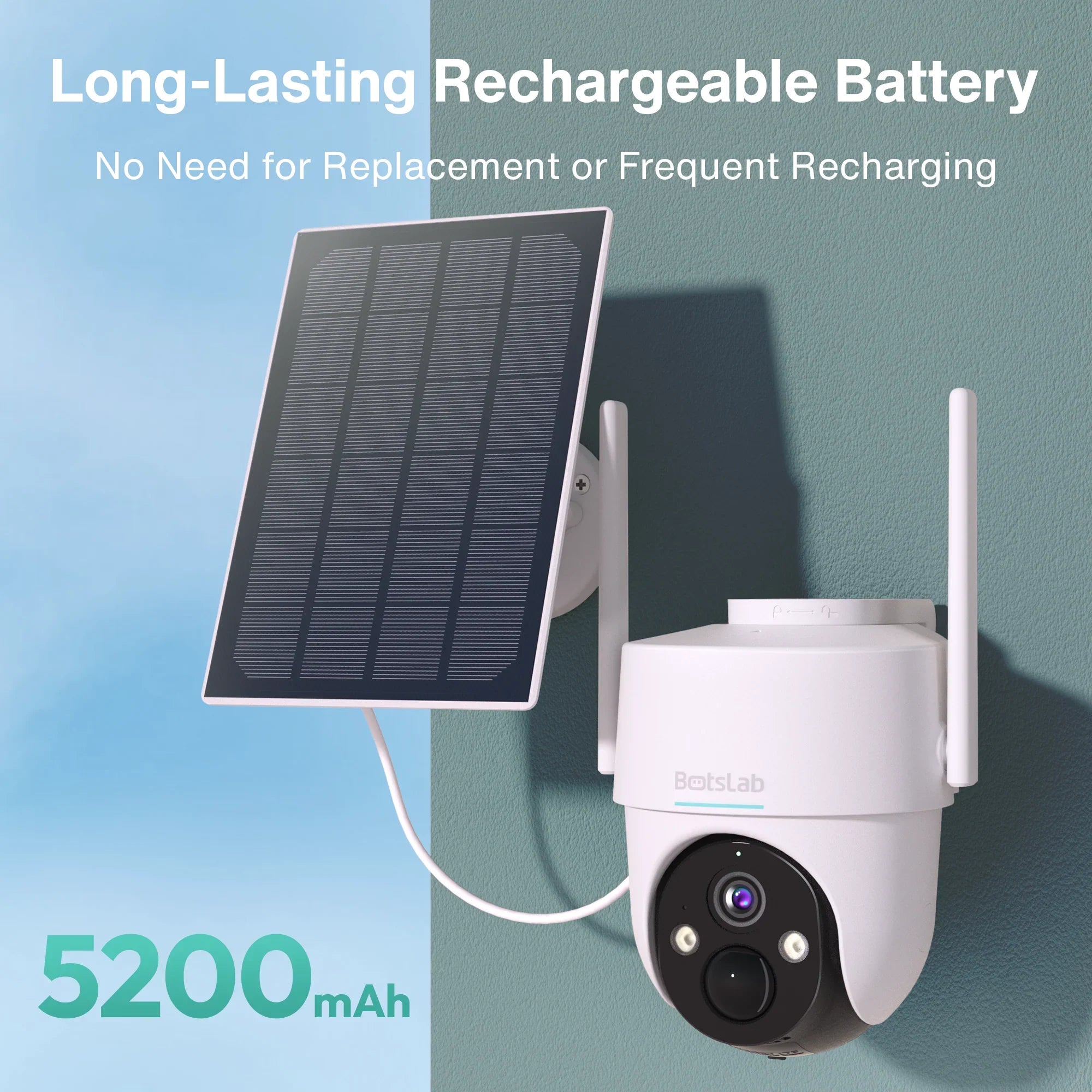
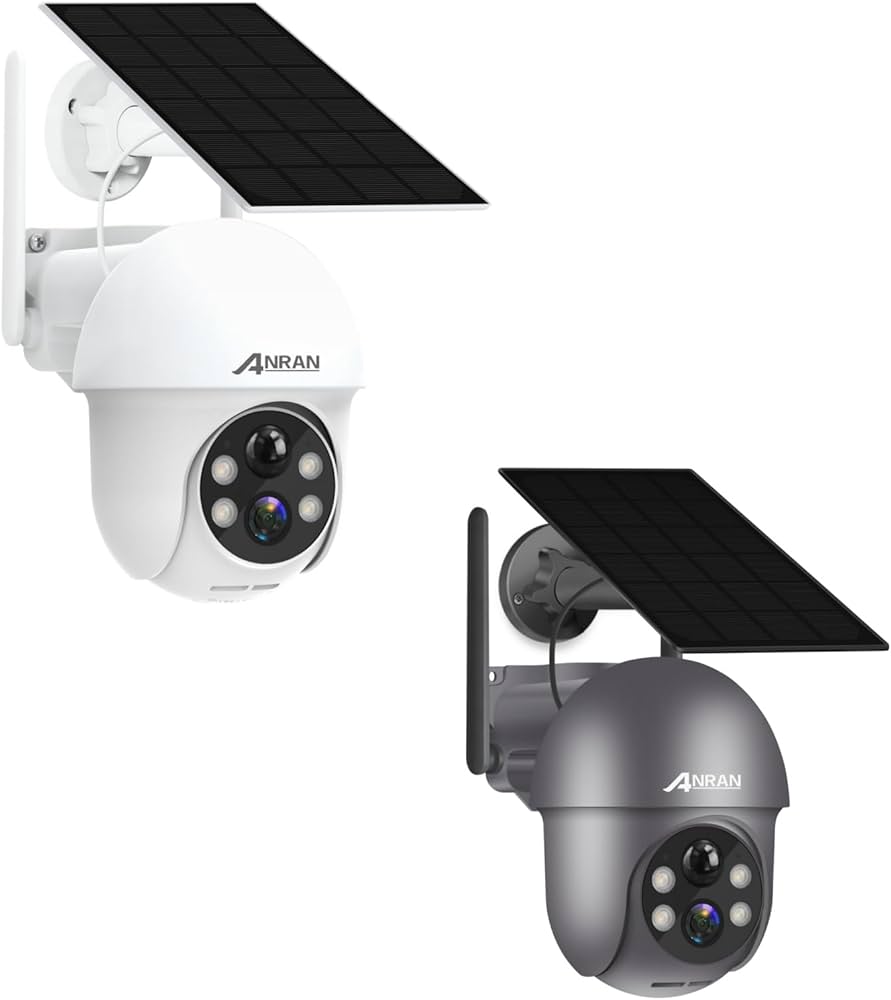
A solar-powered camera uses a panel to keep its battery topped up. The panel is small, often 3–5 watts, and hooks into the camera with a weatherproof cable. As long as it gets steady sun, you may never need to take it down for charging.
With good placement, a solar camera can run year-round. I’ve kept farm gate cameras live with 2–3 hours of direct midday sun. If your winters are long and gray, the battery still helps buffer bad weeks.
In the rechargeable battery camera vs solar-powered camera comparison, solar wins when you want set-and-forget uptime.
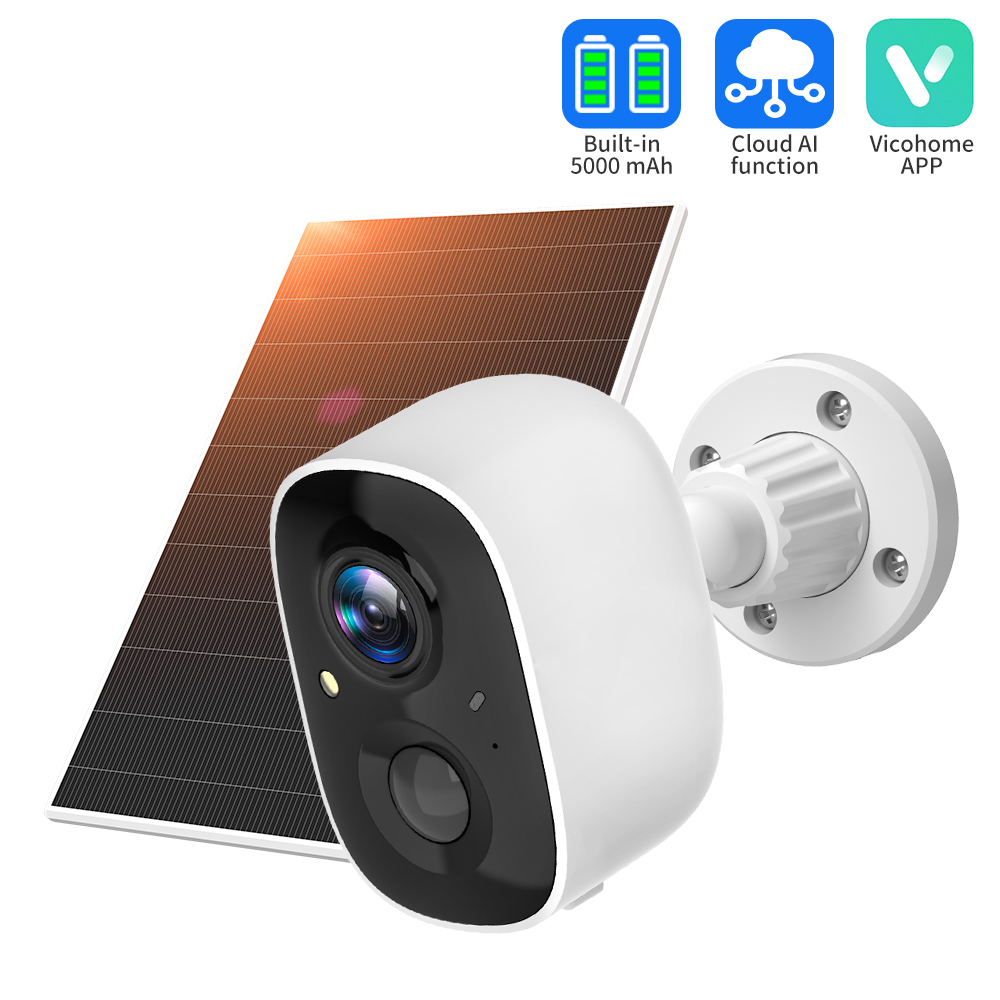
Rechargeable battery camera vs solar-powered camera: Key differences
Here are the factors that most people care about when choosing between a rechargeable battery camera vs solar-powered camera:
- Power reliability: Rechargeable relies on manual charging. Solar keeps the battery topped up if the panel sees sun.
- Placement freedom: Rechargeable goes anywhere. Solar needs a panel facing the sun, ideally south in the Northern Hemisphere at a tilt close to your latitude.
- Maintenance: Rechargeable needs periodic recharging. Solar needs a seasonal panel wipe and cable check.
- Uptime in winter: Rechargeable is steady if you keep up with charging. Solar may dip if you get little sun or heavy snow.
- Cost: Rechargeable is cheaper up-front. Solar adds the panel cost but can save time and trips up the ladder.
- Aesthetics: Rechargeable is cleaner. Solar adds a panel, which some people may not love.
- Environmental impact: Solar uses renewable power. Rechargeable still reduces grid use if you charge off-peak or with green energy.
- Privacy and security: Both support local SD or encrypted cloud. Both can run on 2.4 GHz Wi‑Fi; some models offer LTE.
From my field logs, typical power numbers look like this:
- Camera draw: 0.5–1.5 W idle, 2–4 W while recording.
- Solar panel: 3–5 W, 2–4 hours of direct sun can offset daily use.
- Battery size: 6,000–10,000 mAh lets many users run 1–4 months per charge with moderate motion.
These figures match what I see in suburban installs with 15–25 motion events per day. Busy streets or wildlife trails need more power headroom.
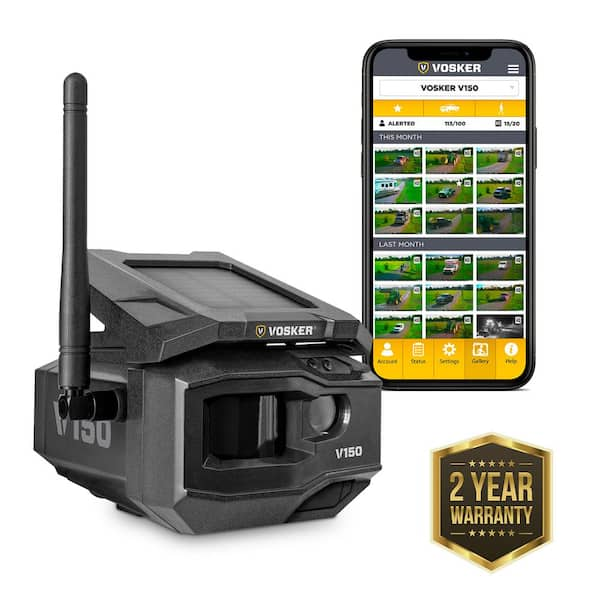
Real-world performance: weather, motion, and Wi‑Fi
Cold weather drains batteries faster. Below 32°F, lithium cells hold less charge. Solar can help by trickle-charging on clear days, but a mid-winter stretch may still require a top-up.
Motion events drive most power use. Long clips, frequent alerts, and spotlights burn energy. I advise tuning motion zones and sensitivity. Trim clip length to 15–30 seconds. This one tweak doubled battery life on several builds.
Wi‑Fi matters too. Weak signals force retries and boost power draw. In a rechargeable battery camera vs solar-powered camera setup, I place a mesh node or outdoor AP within 30–50 feet whenever possible.
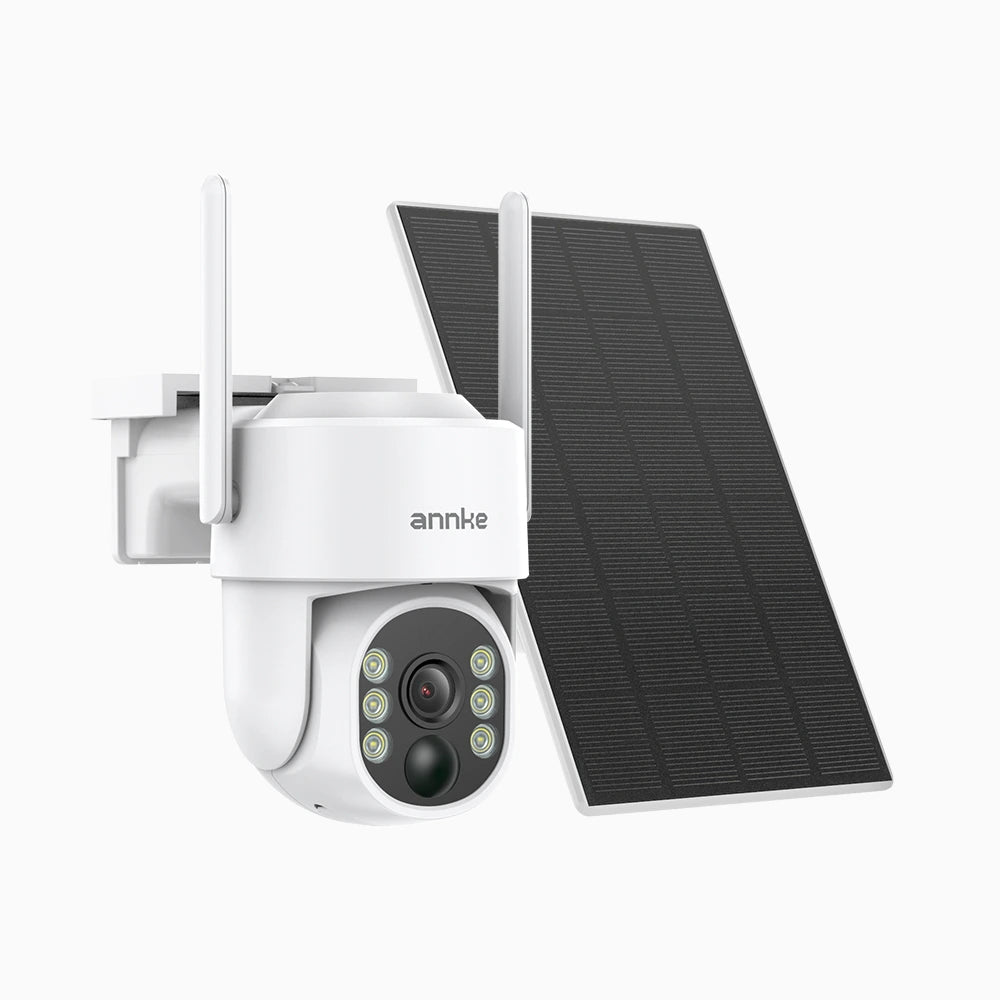
Installation and placement best practices
Good placement is half the battle. Here’s what I do for clean, reliable installs.
For rechargeable battery cameras:
- Mount 7–9 feet high to balance view and access.
- Angle 15–30 degrees downward to avoid false alerts from far motion.
- Use a metal or wood mount where possible to reduce vibration.
- Label your charging date and expected recharge window.
For solar-powered cameras:
- Aim for midday sun. Avoid trees, eaves, and chimneys.
- Tilt toward the equator; adjust 10–15 degrees more in winter for snow zones.
- Keep cable runs short and tidy. Secure with clips to avoid strain.
- Clean the panel each season; pollen and dust can cut output by 10–20%.
Both types benefit from:
- Defined motion zones that ignore streets and swaying branches.
- Heat maps or test walks to confirm coverage.
- Local storage as a backup to cloud clips.
These small steps make a big difference in a rechargeable battery camera vs solar-powered camera decision, because they ensure the system works as promised.

Cost of ownership and ROI
Let’s break down the money side with simple, real numbers.
Up-front costs:
- Rechargeable battery camera: Typically lower. No panel needed.
- Solar-powered camera: Add the panel cost. This can be modest for consumer gear.
Ongoing costs:
- Rechargeable: Your time matters. If you climb a ladder every 6–10 weeks, that’s a hidden cost.
- Solar: Very low if the panel is placed right. Occasional cleaning and rare cable replacements.
Expected savings:
- Solar can reduce trips for recharging, which is great for hard-to-reach spots.
- For busy spots with many events, solar often pays for itself within a season.
If you compare a rechargeable battery camera vs solar-powered camera in a high-traffic driveway, solar usually wins on time saved. In a shaded porch with low activity, rechargeable is more cost-effective.
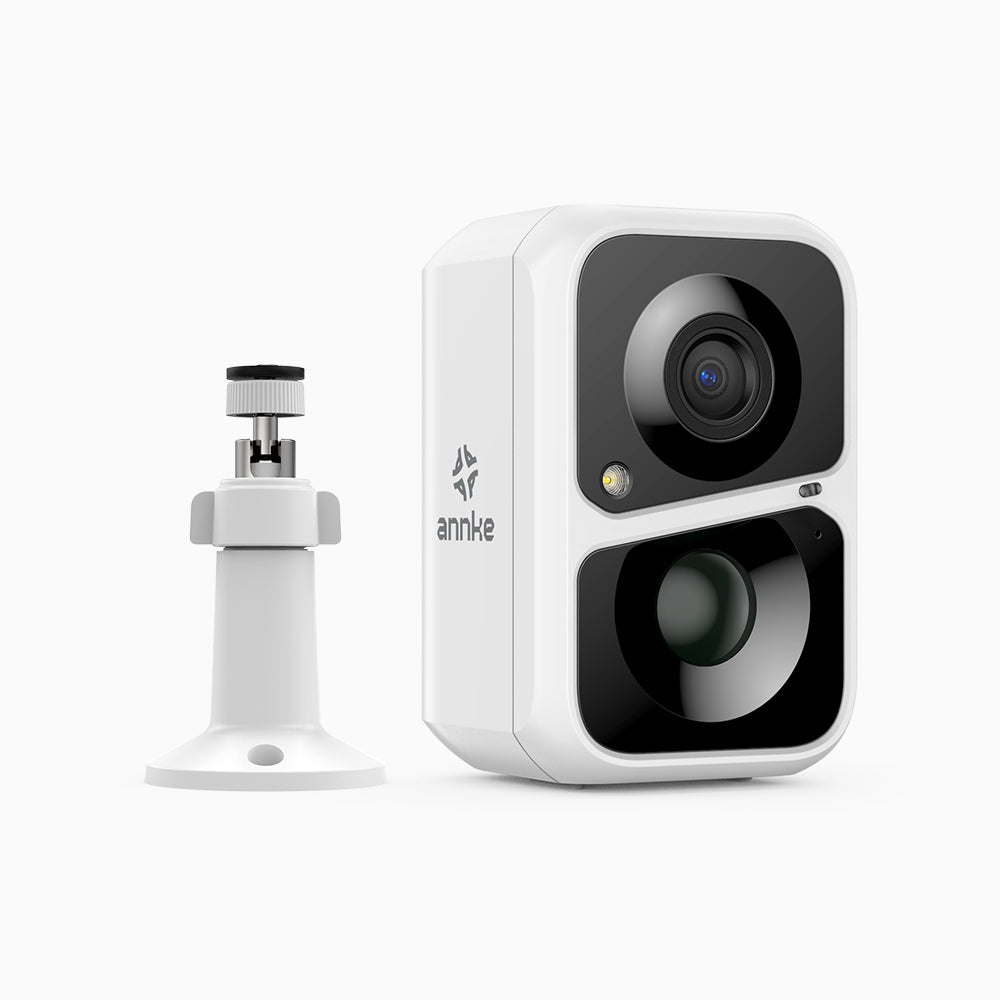
Features that matter beyond power
Power is only part of the story. The best choice also fits your security goals.
Key features to look for:
- Resolution and night vision: 2K is a sweet spot. Look for clear faces and plates at 15–25 feet.
- Smart detection: Person, vehicle, pet. Reduces false alerts and saves power.
- Storage: Local SD cards are private; cloud offers off-site safety.
- Connectivity: 2.4 GHz Wi‑Fi has range; dual-band helps in busy areas. LTE is great off-grid.
- Smart home ties: Works with Google, Alexa, or Apple Home. Local RTSP support is a plus for NVRs.
- Build quality: IP65 or higher for outdoors. Look for durable mounts and solid hinges.
I’ve found that smart detection has the biggest impact on both battery life and peace of mind. In a rechargeable battery camera vs solar-powered camera setup, good AI filtering means fewer clips, less power use, and better alerts.
Which one should you choose?
Use these quick scenarios to pick the right setup.
Choose a rechargeable battery camera if:
- You rent or cannot mount a panel.
- Your spot is shaded most of the day.
- You want lower up-front cost and can recharge every few months.
- You plan to move or adjust the camera often.
Choose a solar-powered camera if:
- The area gets 2+ hours of direct midday sun.
- The camera is hard to reach, like on a tall wall or a gate.
- You need steady uptime for busy scenes.
- You want lower maintenance over the long run.
A simple rule for a rechargeable battery camera vs solar-powered camera: shade and flexibility favor rechargeable; sun and uptime favor solar.
Environmental impact and sustainability
Both options are efficient, but solar cuts grid use and ladder trips. A small panel offsets the daily draw well, even on short winter days. Over a year, that adds up to fewer charges and less waste.
Care for the battery matters, too. Avoid deep discharges, and don’t leave it empty for long periods. Update firmware to fix bugs that cause extra wake-ups.
From a sustainability angle in the rechargeable battery camera vs solar-powered camera choice, solar has the edge when sun is available. With shade, a rechargeable camera with smart motion settings is still a green, low-power solution.
Frequently Asked Questions of Rechargeable battery camera vs solar-powered camera
How long do rechargeable battery cameras last per charge?
Most last one to six months, depending on motion and weather. Cold, long clips, and spotlights reduce that time.
Will a small solar panel really keep a camera charged all year?
Yes, if it gets steady sun and the scene is not too busy. In winter or shade, you may still need occasional manual charging.
Can I add a solar panel later to a rechargeable camera?
Many models accept plug-in panels designed by the same brand. Check the connector type and power rating before buying.
What if my Wi‑Fi is weak where I want the camera?
Add a mesh node or outdoor access point to boost signal. Better Wi‑Fi reduces retries and saves battery.
Is local storage safer than cloud?
Local storage keeps video on-site and private. Cloud offers off-site backups and easier sharing if a camera is stolen.
Which is better for a driveway: rechargeable battery camera vs solar-powered camera?
If the driveway sees lots of motion, solar is better for uptime. If it is quiet or shaded, rechargeable is simpler and cheaper.
Conclusion
Both camera types are solid. Pick rechargeable for easy installs, shaded spots, and lower cost. Pick solar for set-and-forget uptime where the sun hits the panel for a few hours most days.
Use the tips above to match your home, weather, and habits. Tweak motion zones, mind your Wi‑Fi, and place the camera with care. Ready to choose? Compare your location against the checklists, then take the next step. If this helped, subscribe for more home security guides or drop your question in the comments.