Floodlight cameras are stronger for large yards; spotlight cameras suit smaller spaces.
Choosing between a spotlight camera and a floodlight camera can feel tricky. I’ve installed and tested both in real homes, and I know the trade-offs. In this guide on Spotlight camera vs floodlight camera, I’ll break down what matters, when to pick each, and how to avoid costly mistakes. You’ll get clear steps, real-world tips, and expert insight—all in plain language that respects your time.
What is a spotlight camera?
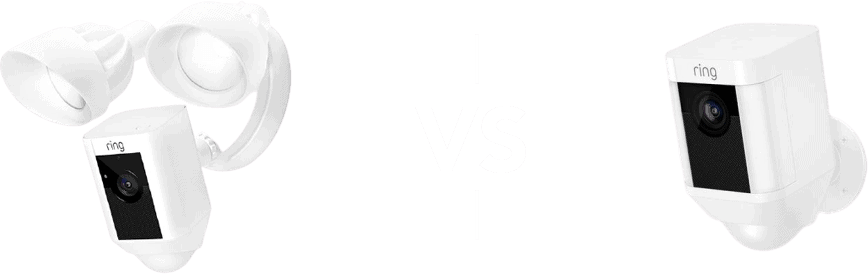
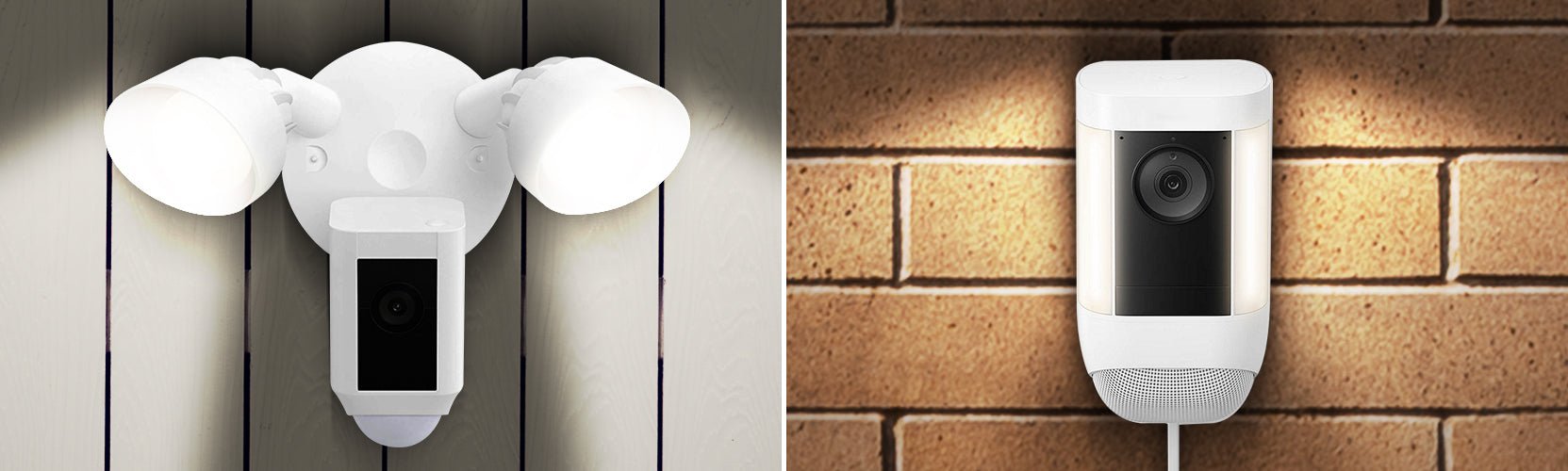
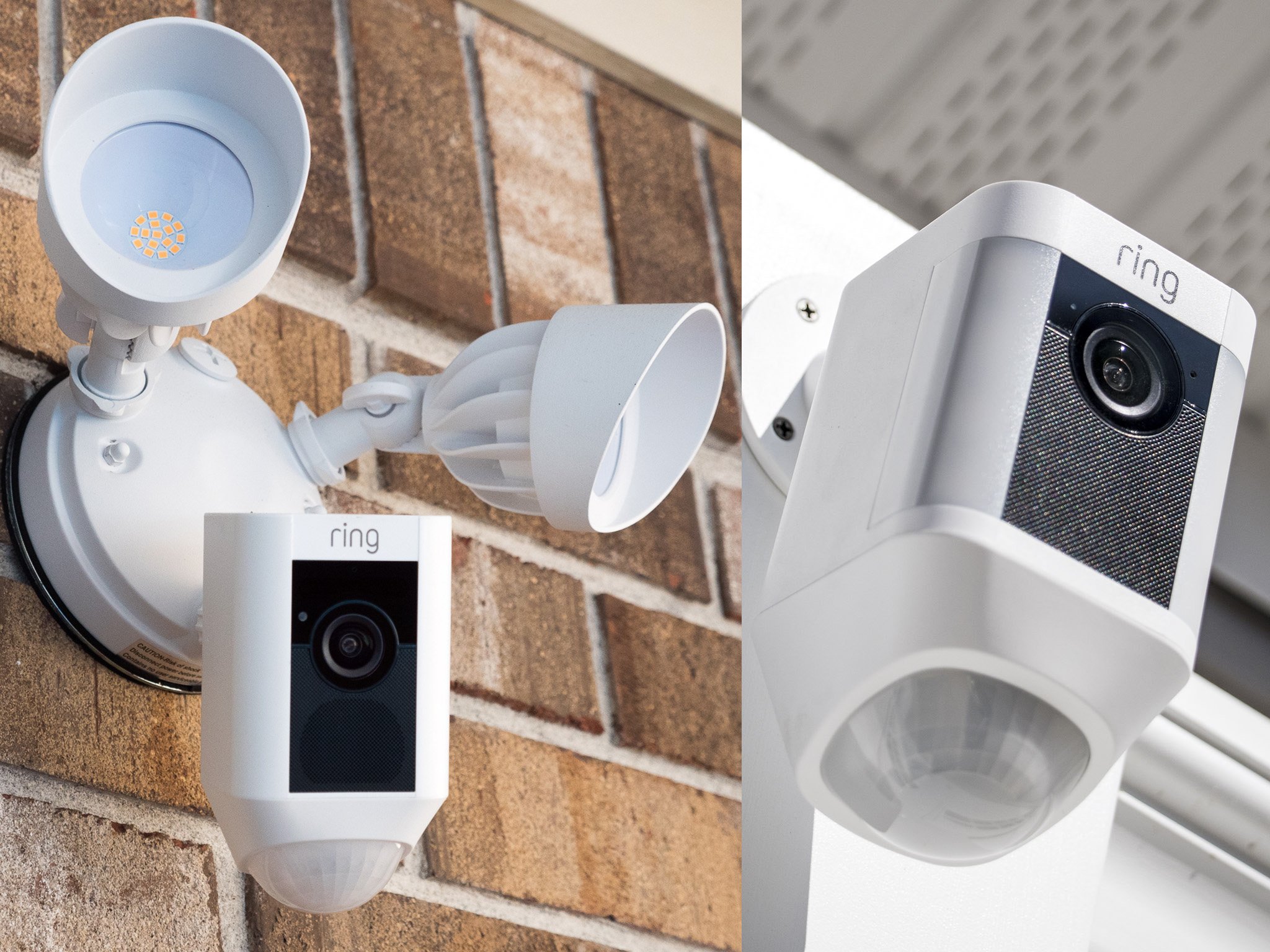
A spotlight camera is a security camera with a small built-in light. It adds color night vision when motion is detected. Most models are compact and easy to mount on a wall, soffit, or above a door.
These lights are not floodlights. They shine a focused beam. Many run on battery or solar, so wiring is simple. This makes them ideal for renters, condos, and tight spots where power is hard to reach.
Spotlight camera vs floodlight camera comes down to light coverage. Spotlight cameras offer targeted light and flexible power options.

What is a floodlight camera?
A floodlight camera is a camera built into a full-size motion floodlight. It throws bright, wide light, often 2,000–3,000 lumens. This can transform a dark yard into daylight for a moment.
Floodlight cameras are usually hardwired to your home’s power. They often replace an old floodlight on an electrical box. They work best in driveways, backyards, and side yards that need broad coverage.
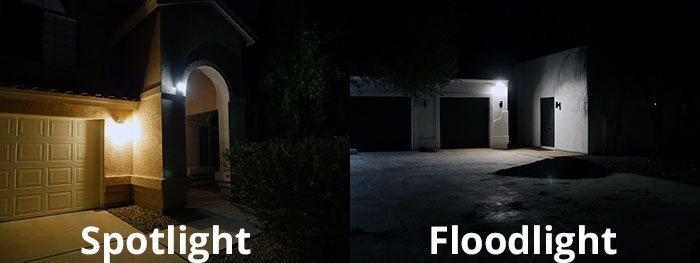
Spotlight camera vs floodlight camera matters most at night. Floodlight cameras deter better in big spaces because the light is stronger and wider.
Spotlight camera vs floodlight camera: key differences
Here are the main points that shape your choice:
- Brightness and coverage: Floodlight cameras are much brighter and cover more area. Spotlight cameras are focused and softer.
- Power: Many spotlight cams use batteries or solar. Floodlight cams are usually hardwired.
- Install effort: Spotlight cams are simple and fast. Floodlight cams need an electrical box and proper wiring.
- Deterrence: A floodlight camera is more visible and can scare off intruders. Spotlight cams are subtle and less blinding.
- Cost: Spotlight cams are often cheaper overall. Floodlight cams cost more but replace a light and a camera in one.
In short, Spotlight camera vs floodlight camera is a trade of size, power, and install effort.
When to choose a spotlight camera
Pick a spotlight camera if you need a small, flexible setup. It fits well on porches, narrow walkways, and condo balconies. It is friendly for renters and DIY installs.
It also works well if you want quick setup with no wiring. Battery and solar options reduce cost. Try one near a gate or side door where a huge light would annoy neighbors.
Spotlight camera vs floodlight camera is also about social comfort. A spotlight camera’s softer light can feel less harsh to guests.
When to choose a floodlight camera
Go with a floodlight camera if you need to light a big space. It is ideal for driveways, garages, and yards. The strong light helps your camera capture color details.
It also helps with safety at night. You can see the ground, steps, and people. That reduces trips and falls.
When you weigh a Spotlight camera vs floodlight camera, think about local wildlife too. Floodlights may deter animals that dig in trash or damage lawns.

Feature comparison and specs that matter
When I compare devices, I focus on these practical specs:
- Lumens: Spotlight 200–700 lumens. Floodlight 2,000–3,000 lumens.
- Resolution: 1080p is common; 2K or 4K offers sharper detail and plates.
- Field of view: 120–160 degrees covers more area; avoid blind spots.
- Night vision: IR for stealth; color night vision when lights turn on.
- Detection: Look for person/vehicle/package detection to cut false alerts.
- Siren: 85–105 dB helps deter. A loud siren is useful in open yards.
- Storage: Cloud is simple; local microSD or NVR saves fees and bandwidth.
- App quality: Fast alerts and easy timelines save time every day.
Spotlight camera vs floodlight camera aside, the best camera is the one that sends clear, timely alerts you trust.

Installation, power, and cost
Install is where many people struggle. Here is what to expect.
- Spotlight camera: Often battery or solar. Mount with screws, scan QR code, and connect to Wi‑Fi. Total time can be under 30 minutes.
- Floodlight camera: Needs a junction box and proper wiring. Turn off power, connect hot/neutral/ground, mount, and aim. You may want a licensed electrician.
Costs vary by brand and features. Spotlight cams often range from $100–$250. Floodlight cams land around $150–$350. Pro PoE units can reach $250–$500. Budget for storage plans if you go cloud.
This is where Spotlight camera vs floodlight camera gets practical. If wiring is hard, spotlight wins. If you already have a floodlight box, floodlight is an easy upgrade.

Night performance and image quality
Light is everything at night. A floodlight camera’s strong beam improves color and clarity. Faces, cars, and clothing look sharper when the scene is bright.
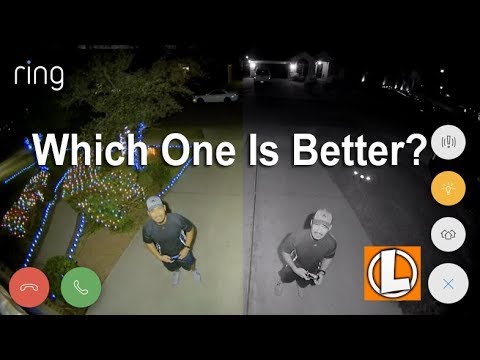
Spotlight cameras still help a lot. The focused light can add just enough color detail close to the lens. Beyond that, IR takes over and you get black-and-white.
To judge Spotlight camera vs floodlight camera for your home, test at night. Stand where you want to see a face. Ask: would this be clear with a hat or hood?
Smart detection, privacy, and compliance
Modern cameras use AI to reduce noise. Person and vehicle alerts are standard on many models. That means fewer pings from leaves and bugs.
Respect privacy. Aim lights away from neighbors’ windows. Mask out areas in the app if you do not need to record them. Check local rules on light pollution and camera placement.
Spotlight camera vs floodlight camera also has a privacy angle. Floodlights are bold. Spotlight cams draw less attention, which can feel friendlier on a small street.
Weather, durability, and maintenance
Look for IP65 or higher for outdoor use. Sealed ports and gaskets protect the camera. Metal housings handle heat better than plastic in sunny spots.
Floodlight cameras face heat under their lamps. Check for thermal throttling in hot climates. For snow areas, make sure the mount holds steady and the lens is easy to wipe.
Spotlight camera vs floodlight camera in rough weather leans on build quality. Read the spec sheet for temperature range and warranty.
Real-world stories and lessons learned
On my last install, a client wanted one device to cover a driveway and side yard. A floodlight camera at the garage peak did the job. The bright light cut shadows and gave crisp color clips.
At my own home, I use a spotlight camera over the side gate. It is battery powered and quick to move. The small light is enough to see faces at the fence.
These cases show why Spotlight camera vs floodlight camera is not one-size-fits-all. Match the light to the space.
Buyer’s checklist and decision flow
Use this quick flow to choose fast.
- Space size: Small porch or narrow path? Spotlight. Large yard or driveway? Floodlight.
- Power: No wiring or renting? Spotlight. Existing floodlight box? Floodlight.
- Neighbors: Need softer light? Spotlight. Want strong deterrence? Floodlight.
- Budget: Lower total cost? Spotlight. One-and-done light plus camera? Floodlight.
- Detail needs: Want plates and color at distance? Floodlight with 2K or 4K.
If you repeat Spotlight camera vs floodlight camera in your mind, think: subtle and simple versus bold and bright.
Common mistakes to avoid
Avoid these pitfalls:
- Mounting too high: Aim for 7–9 feet to capture faces, not crowns of heads.
- Ignoring Wi‑Fi: Test signal at the install spot. Weak Wi‑Fi means bad clips.
- Overlighting: Blinding light can wash out faces. Aim and dim as needed.
- No zones: Set motion zones and human detection to cut false alerts.
- Skipping testing: Walk test at night. Check angles, glare, and shadows.
A little prep makes Spotlight camera vs floodlight camera work the way you expect.
Top brands and models to consider
Most big brands offer both styles. Look for these traits before you pick:
- Clear, fast app with stable alerts
- Good low-light performance and true HDR
- Person and vehicle detection included
- Flexible storage: cloud and local
- Solid build quality and a two-year warranty
Read recent user feedback for your climate. The best Spotlight camera vs floodlight camera choice is the one proven by people like you.
Frequently Asked Questions of Spotlight camera vs floodlight camera
Is a spotlight camera bright enough for a driveway?
Yes, for short driveways or small areas. If you need broad, even light across a wide driveway, a floodlight camera is better.
Do I need an electrician for a floodlight camera?
Often yes, especially if there is no existing box. If you are replacing an existing floodlight, it is a simpler swap but still follow code.
Will a battery spotlight camera work in winter?
It will, but battery life drops in cold weather. Pair with a small solar panel or keep a spare battery charged.
Can both types record without a subscription?
Many models support local storage via microSD or NVR. Cloud plans add easier sharing and smart alerts but are optional on some brands.
Which is better for deterring intruders?
A floodlight camera is more visible and brighter, which deters better in large spaces. A spotlight camera still deters in close quarters and is less intrusive.
Does a floodlight camera consume a lot of power?
Not during standby. Power use spikes when lights and siren are on, but total cost is still low for most homes.
Can I use both on one property?
Yes, mix and match. Use a floodlight camera for the driveway and spotlight cameras for doors and side paths.
Conclusion
You now have a clear path through Spotlight camera vs floodlight camera. If you want simple install and softer light for small spaces, choose a spotlight camera. If you need strong, wide light and bold deterrence, choose a floodlight camera.
Walk your property at night, note the dark zones, and pick the style that fits each spot. Ready to move forward? Compare two shortlists, test at night, and make the call. If this helped, subscribe for more home security guides or leave a comment with your setup and questions.